














Register

Night Flying: Make it Darker to See Better

Gemini Sparkle

Key Takeaways:

  • Night flying requires pilots to understand how darkness affects vision, noting that eyes take 30-45 minutes to adapt to low light, a process reset by bright lights.
  • Pilots should dim cockpit lighting and avoid direct bright lights to maintain night vision, beginning this process before takeoff.
  • Thorough familiarity with the aircraft cockpit is crucial for night flying, as darkness makes locating controls challenging.
  • Performing a "blind cockpit check" (locating controls by touch during the day) is a recommended technique to ensure readiness for night operations.
See a mistake? Contact us.

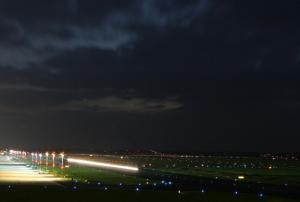
Flying at night requires an understanding of how darkness affects a pilot’s vision and what you can do to make sure you make the most of your night-limited vision.

The most important aspect of night flying with respect to vision acuity is to realize that it takes 30 to 45 minutes for your eyes to fully adapt to minimal light conditions. And if you look directly at a bright light for more than about a second, you’ll need to start the clock all over again and reacclimatize to the darkness.


Ready to Sell Your Aircraft?

List your airplane on AircraftForSale.com and reach qualified buyers.

List Your Aircraft
AircraftForSale Logo | FLYING Logo
Pilot in aircraft
Sign-up for newsletters & special offers!

Get the latest stories & special offers delivered directly to your inbox.

SUBSCRIBE
