











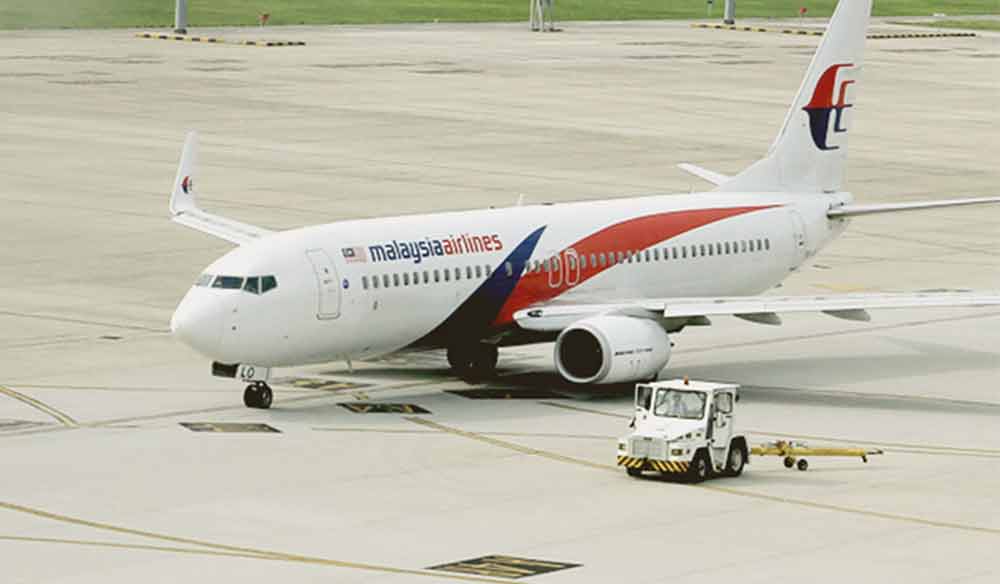
On March 8, 2014, Malaysia Airlines Flight 370 departed from Kuala Lumpur for Beijing with 239 passengers and crew members on board. The Boeing 777-200ER never made it to its destination, and the disappearance of the airplane has become one of the greatest mysteries in aviation history. This week, Malaysia Airlines signed a new deal with Aireon, FlightAware and Sitaonair to be the first in the industry to use satellites to track all aircraft, to avoid such a tragedy in the future.
Malaysia Airlines Becomes First to Use Space-Based Aircraft Tracking

Key Takeaways:
- Malaysia Airlines is adopting a new satellite-based global flight tracking system in partnership with Aireon, FlightAware, and Sitaonair, becoming the first airline to do so.
- The Aircom FlightTracker, operational in 2018, will provide minute-by-minute, 100 percent global flight-tracking data using the Iridium Next satellite constellation and space-based ADS-B.
- This system aims to resolve existing data feed coverage gaps, especially in oceanic and remote airspace, ensuring greater visibility of aircraft location.
- A key advantage is that the new system will not require any updates or modifications to the avionics of existing Malaysia Airlines aircraft.
Key takeaways sponsored by Aviator Pro | Start Your Training ->
See a mistake? Contact us.

