













Register

Fuel Decisions

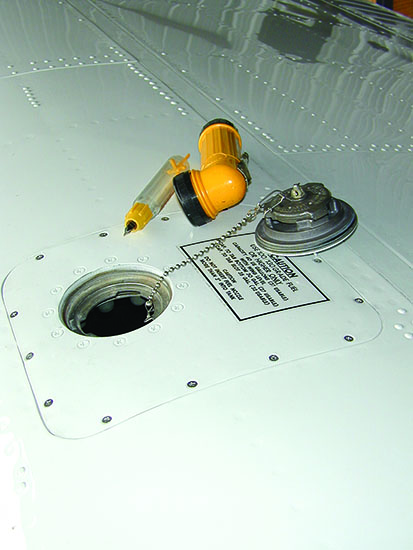
On The Cover: Opening up the fuel tank and peering into it with a flashlight can help us verify how much fuel we have aboard, and is one way to avoid fuel-related mishaps. And fuel-related mishaps account for a startling number of accidents, including fatals. For more, see the article beginning on page 16 by Tom Turner. Image by the Editor-In-Chief.
Gemini Sparkle

Key Takeaways:

  • Pilots frequently encounter unexpected fuel unavailability at planned stops, necessitating sufficient reserve fuel to reach an alternate airport safely.
  • Dangerous pilot practices, such as landing with minimal fuel or ignoring "unusable" fuel limits, significantly increase the risk of fuel starvation or exhaustion accidents.
  • Effective fuel management requires planning for contingencies by ensuring ample fuel reserves, prioritizing safety over stretching limits for cost savings or maximum range.
See a mistake? Contact us.

It’s happened to me three times. The first time happened about a year after I earned my Private Pilot certificate. About a week before my Practical Test I accepted delivery of NC89954, a 1946 Cessna 120. The 120 is a side-by-side two-seat tailwheel airplane with fabric-covered wings and an 85 horsepower engine. It’s the airplane that eventually evolved into the Cessna 150 and 152.

With about a year’s experience in type, I launched on my first epic aerial journey, from my home in central Missouri to Detroit to visit family. My dad, a Honolulu-based airline mechanic and one-time lightplane pilot himself, flew in to Kansas City to join me on this odyssey. Our first leg stopped in Hannibal, Missouri, just short of the Missouri River.


Ready to Sell Your Aircraft?

List your airplane on AircraftForSale.com and reach qualified buyers.

List Your Aircraft
AircraftForSale Logo | FLYING Logo
Pilot in aircraft
Sign-up for newsletters & special offers!

Get the latest stories & special offers delivered directly to your inbox.

SUBSCRIBE