













Register

Someone To Watch Over Me

‘Poor pilot’s IFR’ can come in very handy in busy airspace. Ask for it before you think you’ll need it, and listen up.

Gemini Sparkle

Key Takeaways:

  • VFR flight following is a valuable ATC service that significantly enhances pilot situational awareness by providing traffic advisories, safety alerts (terrain, obstacles, other aircraft), and direct access to ATC for emergencies and airspace coordination.
  • While highly beneficial, flight following is provided on a workload-permitting basis, meaning VFR flights are lower priority than IFR, and pilots cannot solely rely on ATC to point out all traffic.
  • Crucially, flight following does not relieve pilots of their fundamental responsibilities, such as "see and avoid" other aircraft, maintaining terrain clearance, or avoiding adverse weather; it is not an IFR clearance.
See a mistake? Contact us.

The FAA calls it “VFR traffic advisories. You and I probably call it “flight following.” In practice, ATC provides traffic information, plus safety alerts, “limited” vectoring when requested and/or sequencing to airport arrivals. In reality, flight following is a situational awareness tool for VFR operations, which also gives you a headstart on entering some airspace and immediate access to ATC in an emergency.

In many ways, it’s just like being IFR in a radar/ADS-B environment. And while that can lull us into a false sense of security, flight following is an additional tool in your quiver of arrows, to mangle a metaphor. While it enhances your situational awareness, it also can be a crutch on a boring flight. The benefits far outweigh the downsides, though. As always, we need to guard against complacency.


Ready to Sell Your Aircraft?

List your airplane on AircraftForSale.com and reach qualified buyers.

List Your Aircraft
AircraftForSale Logo | FLYING Logo
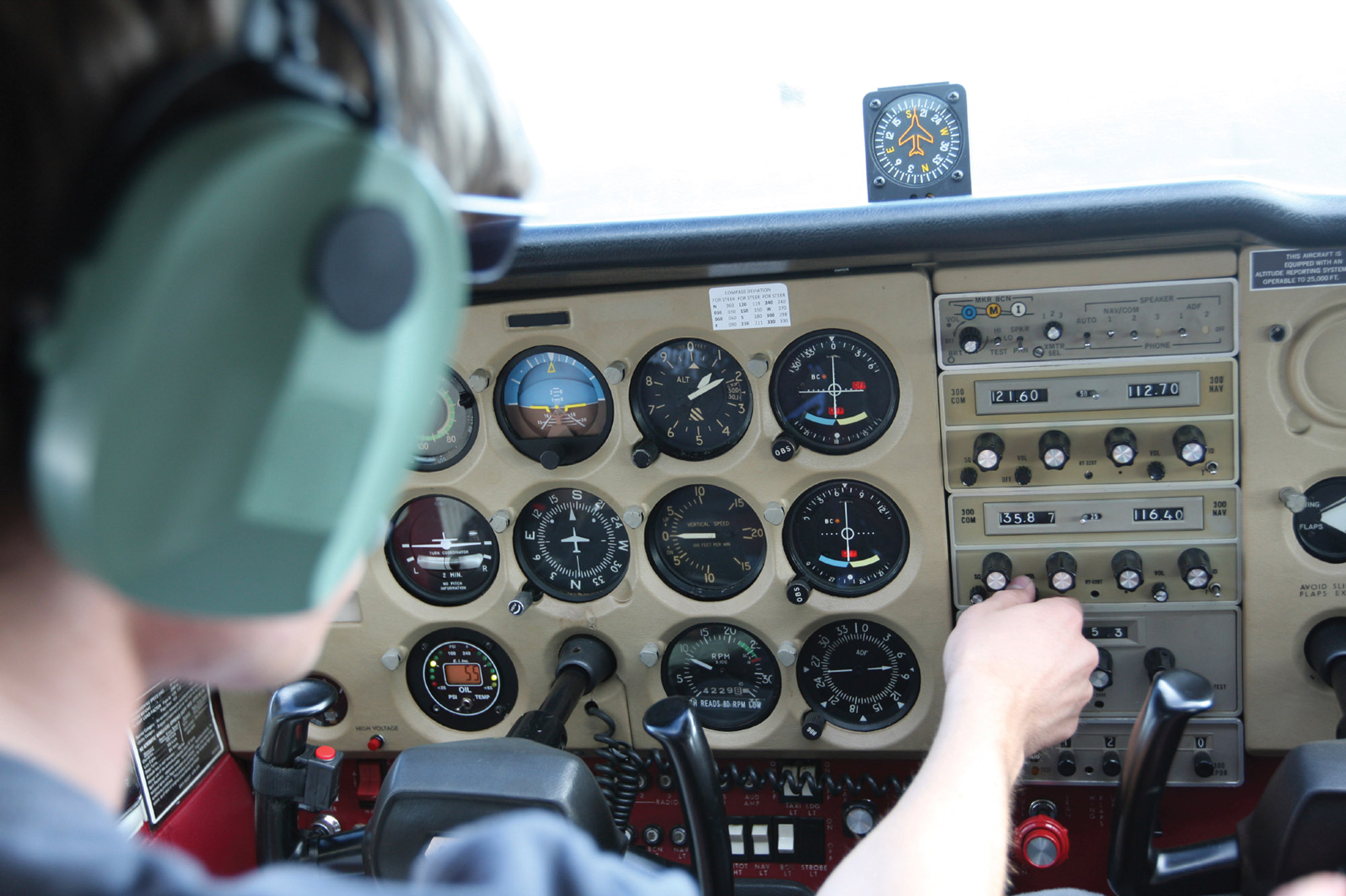
Pilot in aircraft
Sign-up for newsletters & special offers!

Get the latest stories & special offers delivered directly to your inbox.

SUBSCRIBE