











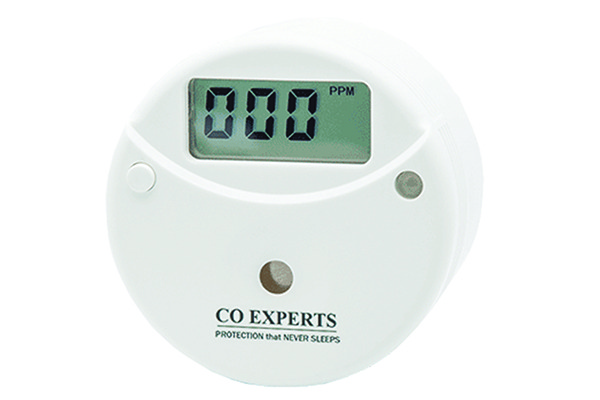


The typical personal airplane lacks many creature comforts we’ve come to expect in private transportation. Perhaps foremost among them is air conditioning, but the cabin heat systems also can leave a lot to be desired, especially among piston singles. The primary reason is that the vast majority of these airplanes employ air-cooled engines, unlike the car we drove to the airport, which extracts heat from engine coolant to warm the passengers.
Instead, the piston single depends on fresh air flowing around exhaust system components to heat the cabin, which typically isn’t very efficient and potentially exposes the occupants to exhaust gases entering the cabin through cracks in mufflers, pipes and heat exchangers. That’s bad, since those gases include carbon monoxide (CO), which can displace the oxygen we need to breathe. In my experience, even idling on the ground with the tail into the wind while waiting to take off can result in exhaust gases entering the cabin and triggering a CO detector.

