













Register

Final Checks

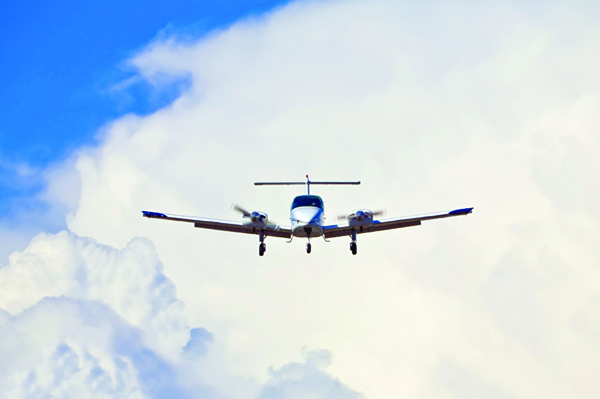
Airplane in landing configuration against a backdrop of cumulous clouds
Gemini Sparkle

Key Takeaways:

  • Pilots must always visually check the final approach path for landing traffic before entering or taking an active runway.
  • This vigilance is crucial at both non-towered and towered airports, as demonstrated by the author's experiences where conflicts arose despite radio calls or ATC clearance.
  • Adopting a defensive mindset, where one anticipates other aircraft potentially entering the runway, promotes consistent safety and proactive decision-making.
See a mistake? Contact us.

Although I had practiced go-arounds during my primary training, it was a few years after earning my private certificate before I had to perform one in anger. I was on final for a small, non-towered suburban airport, having made my radio calls all the way around the pattern. About a half mile from the runway threshold, the Piper Warrior I had spotted in the run-up area taxied onto the runway and began its takeoff roll. I was not happy.

I sidestepped to the right as I added power and started climbing away. At one point, I was about 100 yards off the Warrior’s right wing and more or less level, so I shallowed my climb to let it get above me, and then followed from a distance until it was time for me to turn crosswind and try again. I made a normal pattern and landed.


Ready to Sell Your Aircraft?

List your airplane on AircraftForSale.com and reach qualified buyers.

List Your Aircraft
AircraftForSale Logo | FLYING Logo
Pilot in aircraft
Sign-up for newsletters & special offers!

Get the latest stories & special offers delivered directly to your inbox.

SUBSCRIBE