













Now What?

January 1, 2020, is fast approaching. Thats the date on which ADS-B Out surveillance gear will be required in certain U.S. airspace, basically where you need Mode C now. But you know that; this and other aviation publications have been beating that drum for most of a decade. As the industry nears a deadline weve all known about since 2010, its not unreasonable to look back at what additional technology ADS-B has spawned, then take a quick look at the crystal ball to try divining what might come next.

Gemini Sparkle

Key Takeaways:

  • ADS-B, especially ADS-B In, has significantly enhanced aviation situational awareness and provides a foundational communications protocol with further potential.
  • Future advancements include widespread cellular-like airborne internet connectivity (e.g., Starlink), which will enable new hardware and applications.
  • Consumer technology like the iPad has already revolutionized cockpits, improving situational awareness through electronic flight bags leveraging ADS-B data.
  • The convergence of next-gen ADS-B, affordable airborne internet, and advanced hardware promises innovative aviation technologies, such as more accessible head-up displays and a new suite of applications.
See a mistake? Contact us.

January 1, 2020, is fast approaching. That’s the date on which ADS-B Out surveillance gear will be required in certain U.S. airspace, basically where you need Mode C now. But you know that; this and other aviation publications have been beating that drum for most of a decade. As the industry nears a deadline we’ve all known about since 2010, it’s not unreasonable to look back at what additional technology ADS-B has spawned, then take a quick look at the crystal ball to try divining what might come next.

First off, I don’t think anyone familiar with how state-of-the-art general aviation technology has evolved over the last 15 years can deny ADS-B In has had a positive impact on how we obtain and interpret information designed to maintain our situational awareness. The ADS-B Out flavor offers benefits, also, and both services show promise for additional features in the future.


At ADS-B’s root sector is a communications protocol for text and data, accessible by anyone with an appropriate receiver. (That’s true for the Out and In sides, by the way, the former of which raises security concerns among many operators.) Thanks to the basic transponder and to ATC frequencies, we’ve had two-way communication between the ground and an airborne aircraft for quite some time. The ADS-B network has the basic infrastructure to process more data as applications arise, and we’ll being seeing some of that happen soon with programs already underway.

HUD

Meanwhile, it’s just a matter of time before cellular-like connectivity will be a regular feature of an airborne device. Satellite and ground-based networks have been doing that for years, but the airtime isn’t free; neither is the hardware, which generally might not fit in anything smaller than a turbine single like the Pilatus PC-12. Instead of a dedicated network like ADS-B, that connectivity will be a feature of a larger, public-use satellite-based wifi network like Starlink, the program inaugurated earlier this year with launches by CEO Elon Musk’s SpaceX commercial spaceflight company.

It’s not unrelated to ADS-B’s popularity that 2010, the year the FAA published its ADS-B final rule, also saw introduction of the Apple iPad. I would suggest that the availability of ever-better consumer-grade tablet computers with wireless capabilities and reliable software has been its own cockpit revolution, and is just as much a foundation of the ways situational awareness has been enhanced since, say, 2004, as any other technology. The trickle-down of display features like touch screens and high-definition video to panel-mounted avionics has been interesting, too. Meanwhile, today’s iPad and similar devices include a barometer, an accelerometer and a gyroscope.

So what do we get when we combine the next generation of ADS-B applications—or the next generation of ADS-B itself—with reasonably priced airborne Internet access and the latest computer hardware?

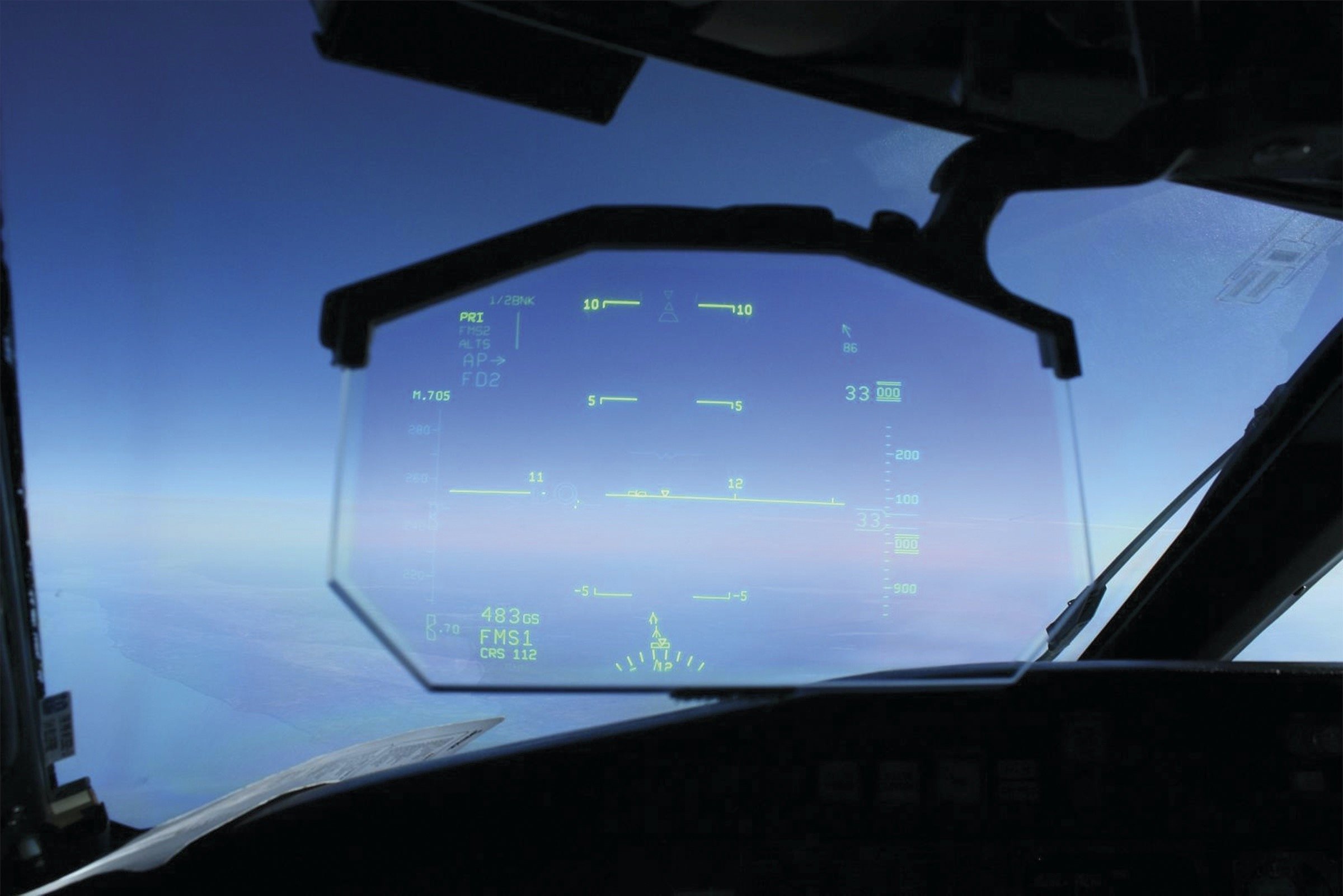
The quick answer is it depends on that hardware. One product category I think will be a feature in more and more cockpits is head-up displays. Garmin already has its GHD 2100 Head-Up Display, which is an option for its integrated flight deck products designed for super-midsize, midsize and light business aircraft. Many other companies, including airframe manufacturers like Gulfstream and traditional avionics brands like Collins, offer high-end HUD solutions. MyGoFlight is offering its SKYDISPLAY HUD for $25,000, but that’s still way too pricey for the typical personal airplane. Car makers like BMW offer HUDs, also.

In fact, the perfect GA HUD could start out as a portable consumer-grade product—perhaps adapted from a gaming device, or one with its biggest market among long-distance drivers. As we saw with electronic flight bags running on iPads and leveraging ADS-B In’s data, it’s all in the software.

Once the aforementioned airborne Internet connectivity solution arrives, a host of new aviation-specific applications is likely to follow. What they will be is anyone’s guess, just like few pilots knew we needed electronic charting, Nexrad weather and our own position displayed by an electronic flight bag running on an iPad. For sure, it’ll be interesting.

— Jeb Burnside

NGT9000_Traffic

Ready to Sell Your Aircraft?

List your airplane on AircraftForSale.com and reach qualified buyers.

List Your Aircraft
AircraftForSale Logo | FLYING Logo
Pilot in aircraft
Sign-up for newsletters & special offers!

Get the latest stories & special offers delivered directly to your inbox.

SUBSCRIBE