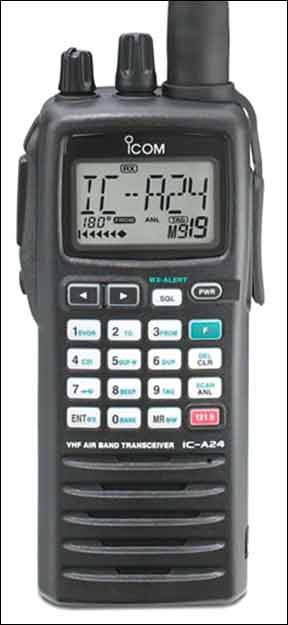
When we launched my Mooney from Lakewood, N.J., for a fuel stop in South Carolina—before continuing to Key West—there was a 400-foot ceiling with light rain. The surface temperature was above freezing, though, and as we broke out on top without any icing issues, I began to settle in for the four-hour flight. Within a few minutes, however, problems started cropping up. First, there was a subtle change in the quality of ATC communications. Next, the autopilot refused to engage. My passenger’s headset was no longer functioning. Then, the communication and navigation systems failed. We were on top of widespread IMC with no way to communicate or get down.
Even with thorough preflight, unexpected system failures can occur, highlighting the importance of being prepared for emergencies.
Carrying personal backup communication and navigation equipment, such as a handheld radio and portable GPS, proved crucial for resolving in-flight system failures.
Pre-briefing passengers on their potential role and having a deep familiarity with the aircraft's emergency procedures are essential for effective crisis management.
When we launched my Mooney from Lakewood, N.J., for a fuel stop in South Carolina—before continuing to Key West—there was a 400-foot ceiling with light rain. The surface temperature was above freezing, though, and as we broke out on top without any icing issues, I began to settle in for the four-hour flight.
288
CREATE A FREE ACCOUNT
Sign up to keep reading
Create a free account to continue. Already a member? Sign in below.