Airbus is integrating advanced 3D printing, specifically wire-directed energy deposition (w-DED), into its aircraft manufacturing process for structural parts.
This w-DED method enables the production of large titanium components (over 23 feet long) with significantly reduced material waste, offering more agile design and construction.
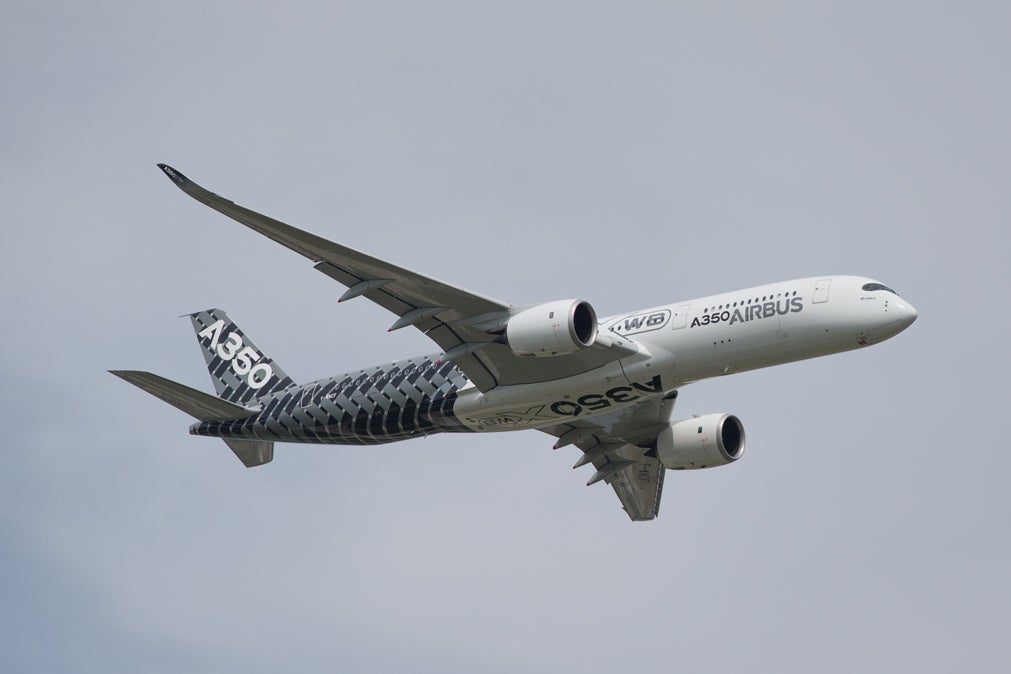
Parts produced using w-DED are already being incorporated into the A350's cargo door surround area, marking a practical application of the technology.
Airbus plans further experimentation with w-DED and will evaluate whether to produce parts in-house or outsource them.
The European aerospace giant is investigating a particular type of 3D printing known as wire-directed energy deposition, or w-DED. The method allows for more agile design and construction and cuts down on material waste, Airbus said this week.
CREATE A FREE ACCOUNT
Sign up to keep reading
Create a free account to continue. Already a member? Sign in below.
Zach Vasile is a writer and editor covering news in all aspects of aviation. He has reported for and contributed to the Manchester Journal Inquirer, the Hartford Business Journal, the Charlotte Observer, and the Washington Examiner, with his area of focus being the intersection of business and government policy.