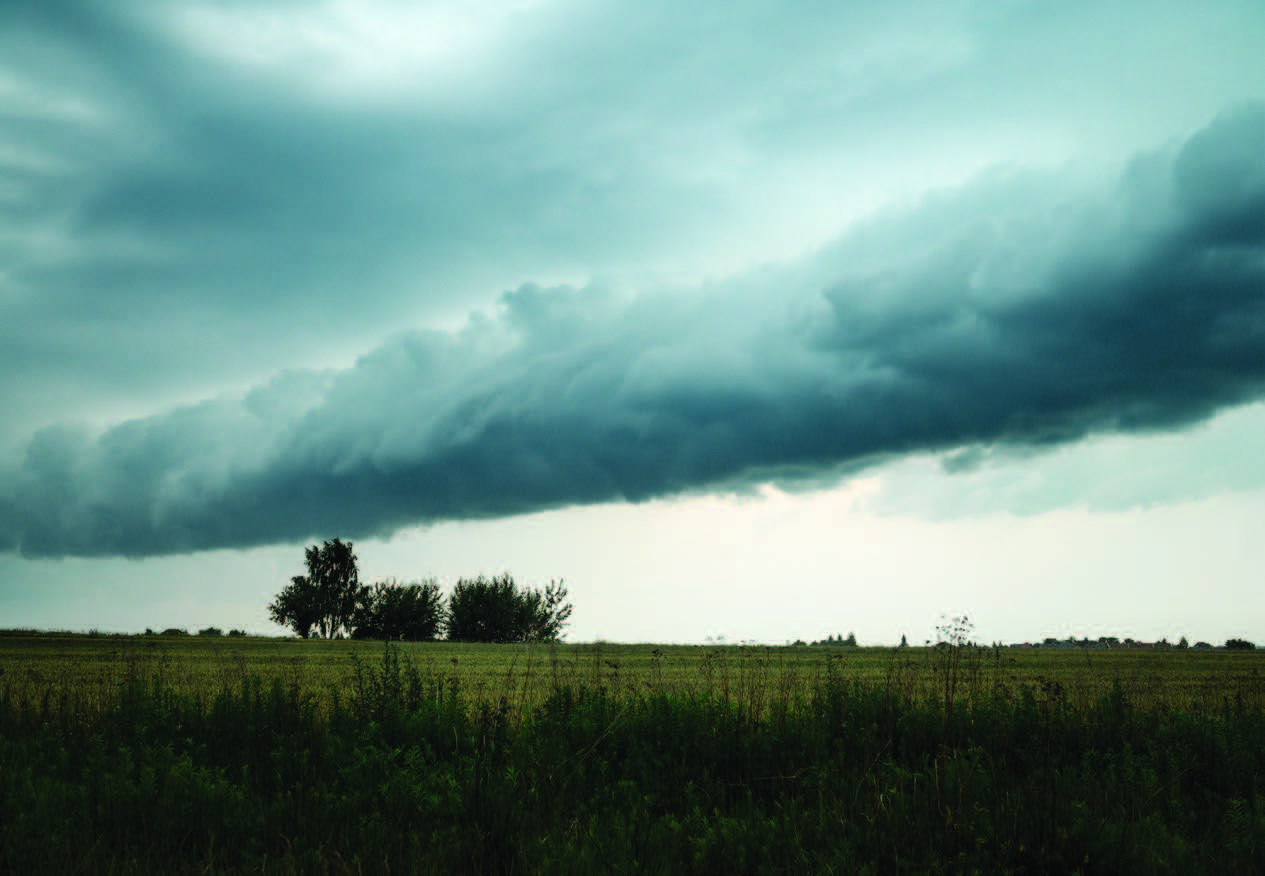
Sometimes the most critical lessons for pilots come from understanding what actions to avoid. [Credit: Aviation Safety Magazine]
Key Takeaways:
Avoid overconfidence in weather judgments; treat all thunderstorms as hazardous and recognize that dangerous phenomena like microbursts can occur even in the absence of visible storms.
Do not rely on single or potentially outdated weather sources; always verify radar imagery timestamps, cross-reference METARs with broader surface charts and satellite data, and compare TAFs from multiple nearby locations.
Go beyond basic reports by utilizing advanced tools like detailed satellite imagery (e.g., multispectral products) and improved model data to build a comprehensive, multi-layered understanding of current and forecast weather conditions.
Pilots know well the emphasis on checklists, procedures, and best practices. These are things that deliver positive results to keep us working safely and efficiently.
But sometimes the most critical lessons come from understanding what actions to avoid. In aviation, a single poor decision can cascade into a dangerous situation with great speed.
CREATE A FREE ACCOUNT
Sign up to keep reading
Create a free account to continue. Already a member? Sign in below.
Tim Vasquez, a former Air Force aviation forecaster and forecast systems programmer at Air Force Global Weather Central, is a contributor to IFR Magazine.