
“There are those who have flown them and those who have not, and it is idle for the former to try to explain matters to the latter.”
Fault Finders

Key Takeaways:
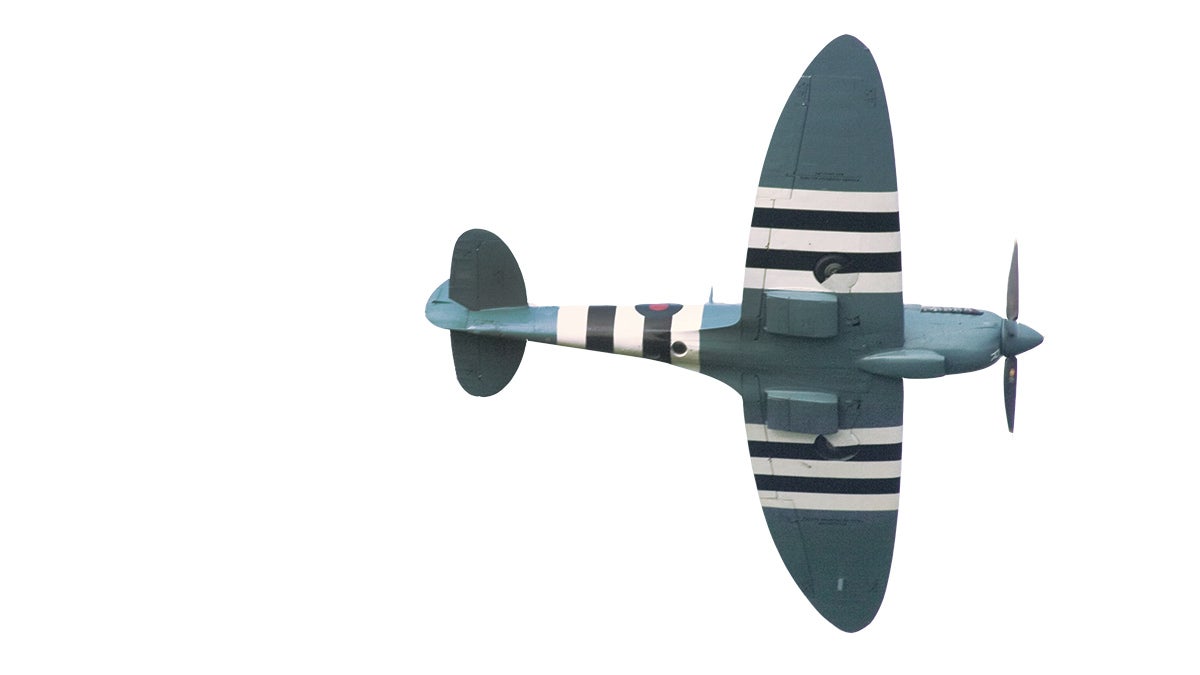
- The Spitfire, initially lauded, saw its handling qualities steadily decline as its light airframe was increasingly over-engined, leading test pilots to deem later marks challenging and even hazardous.
- Many World War II fighters, despite their power, presented pilots with significant flying vices and often uncomfortable cockpits, making performance comparisons complex due to varying supercharger settings and altitude dependency.
- The Merlin-powered P-51 Mustang stood out as a "world beater," earning widespread praise from test pilots for its superior handling, particularly its roll control, compared to its contemporaries.
- Test pilots were crucial for their objective and often "unwelcome truths" about aircraft flaws, providing vital feedback for design evolution and understanding operational limitations.
Key takeaways sponsored by Aviator Pro | Start Your Training ->
See a mistake? Contact us.