














FAA’s Bedford Rules Out Mechanical Problem With Fuel Switches in Air India Crash

Controls have emerged as a major focus of the Indian government’s investigation.

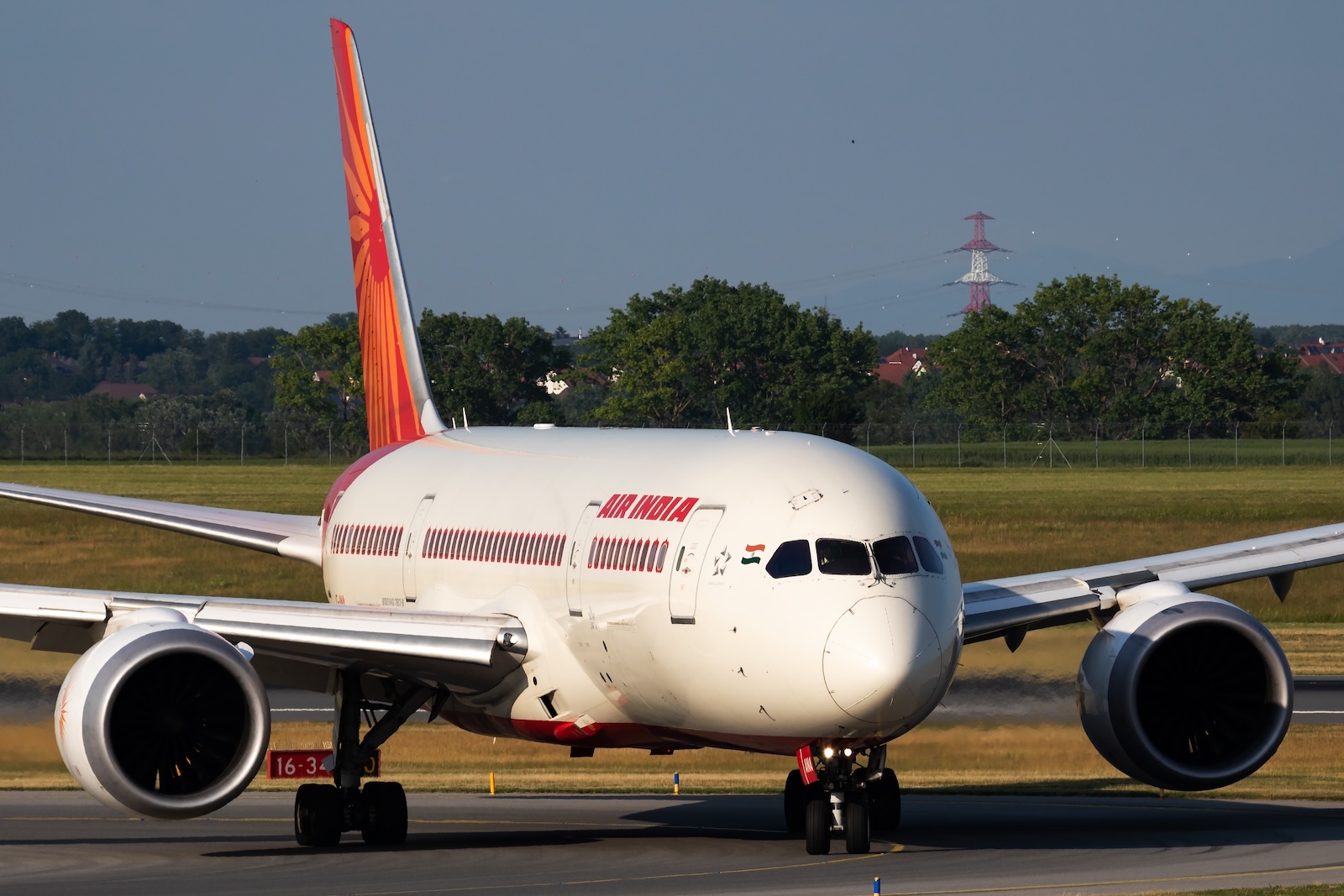
An Air India Boeing 787-8
Air India Boeing 787-8 [Credit: Shutterstock/Soos Jozsef]
Gemini Sparkle

Key Takeaways:

  • FAA Administrator Bryan Bedford stated with high confidence that the fatal Air India Flight 171 crash in June was not caused by a mechanical issue with Boeing's fuel control switches.
  • India's preliminary investigation had focused on the 787's fuel control switches being moved to "Cutoff," causing engine shutdown, and noted Air India hadn't followed a 2018 FAA advisory on switch locking mechanisms.
  • The FAA clarified its 2018 advisory was about ensuring engaged locking features, not device unsafety, and confirmed tests found no mechanical problem or risk of inadvertent manipulation.
  • Air India has since inspected its 787 and 777 fleets and reported no issues with the fuel switch locks.
See a mistake? Contact us.

FAA Administrator Bryan Bedford said Thursday that the June crash of an Air India flight that killed 260 people does not appear to have been caused by a mechanical problem with the aircraft’s fuel control switches, which have emerged as a major focus in the Indian government’s investigation into the disaster.

“We can say with a high level of confidence it doesn’t appear to be a mechanical issue with the Boeing fuel control unit,” Bedford told reporters at EAA AirVenture in Oshkosh, Wisconsin, according to Reuters.

He said FAA employees have tested the devices and inspected them on working aircraft.

“We feel very comfortable that this isn’t an issue with inadvertent manipulation of fuel control,” Bedford added.

The Boeing 787 Dreamliner involved in the accident, operated as Air India Flight 171, lost altitude shortly after taking off from an airport in Ahmedabad, India, and crashed into the campus of a medical college. All but one of the 242 passengers on the aircraft were killed, and 19 more people were killed on the ground.

A preliminary report released by India’s Aircraft Accident Investigation Bureau (AAIB) earlier this month found the 787’s fuel control switches, which feed fuel to the engines, were moved from the “Run” to “Cutoff” position, one right after the other. As a result, the engines shut down mid-climb.

The cockpit voice recorder captured one pilot asking the other why he turned off the fuel switches, and the second pilot responded that he did not. The switches were then reversed, and the engines were in the process of coming back online when the aircraft crashed.

The AAIB report referenced a 2018 advisory from the FAA, which encouraged airlines operating Boeing aircraft to inspect the locking mechanism on the fuel switches to ensure they could not be moved by accident. Air India did not follow this guidance, the report stated.

The FAA responded to the report by saying that its 2018 advisory was based on information that fuel control switches were installed with the locking feature disengaged. This does not make the devices themselves unsafe, the agency has emphasized, and on July 11 the FAA sent a continued airworthiness notification to all operators of Boeing aircraft worldwide.

Air India this week completed a check of the fuel switch locks on all the 787s and 777s in its fleet and found no issues.


Editor’s note: This article first appeared on AirlineGeeks.

Zach Vasile

Zach Vasile is a writer and editor covering news in all aspects of aviation. He has reported for and contributed to the Manchester Journal Inquirer, the Hartford Business Journal, the Charlotte Observer, and the Washington Examiner, with his area of focus being the intersection of business and government policy.

Ready to Sell Your Aircraft?

List your airplane on AircraftForSale.com and reach qualified buyers.

List Your Aircraft
AircraftForSale Logo | FLYING Logo
Pilot in aircraft
Sign-up for newsletters & special offers!

Get the latest stories & special offers delivered directly to your inbox.

SUBSCRIBE

