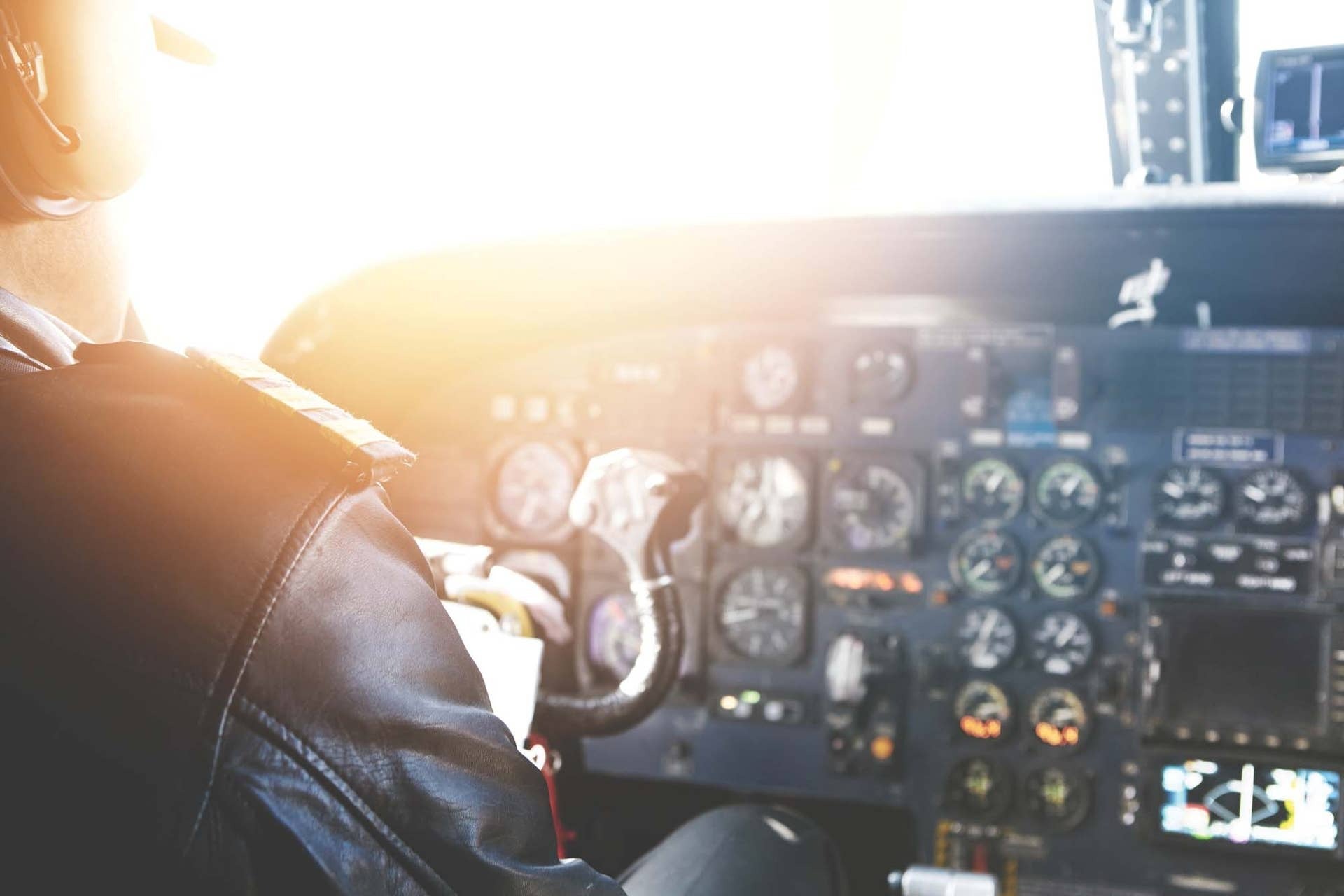
Pilots who are honest with themselves about their skills, capabilities, and conditions generally make better decisions. [Credit: Adobe Stock]
Key Takeaways:
Highly effective pilots demonstrate self-awareness through honest self-assessment of their skills and a continuous commitment to learning and expanding their knowledge.
They are methodical, organized, and thoroughly prepared for each flight, while also maintaining flexibility to adapt to changing conditions and make timely, safe decisions.
Professional pilots exhibit genuine confidence, remain calm and courteous under pressure, and are decisive in their actions, learning from mistakes to improve future judgment.
With a tip of the hat to Stephen Covey, just what are some of the habits and characteristics that define the highly effective pilot?
We often call these folks professionals, or for short, “pros.” However, professionals don’t need stripes on their sleeves or epaulets on their shoulders. It’s simply an attitude and the way we approach each and every flight.
CREATE A FREE ACCOUNT
Sign up to keep reading
Create a free account to continue. Already a member? Sign in below.
Frank Ayers is a Professor of Aeronautical Science at Embry Riddle Aeronautical University and a retired US Air Force pilot. He is an experienced B 52 instructor pilot, ATP, and CFI, and he is the proud owner and pilot of a 1976 Cessna 177B. Frank has been an active pilot for over 50 years and has flown well over 6,300 hours in a wide variety of aircraft, large and small. He combines his love for aviation history and his knowledge of the techniques and procedures that professional pilots employ, to share with our readers on a monthly basis. Frank and his wife Debbie travel the length and breadth of the country in their beautiful Cessna Cardinal and love to share the joy of their aviation adventures with everyone they meet.