













Register

Dealing With In-Flight Incapacitation

A pilot shares his experience missing the apparent warning signals.

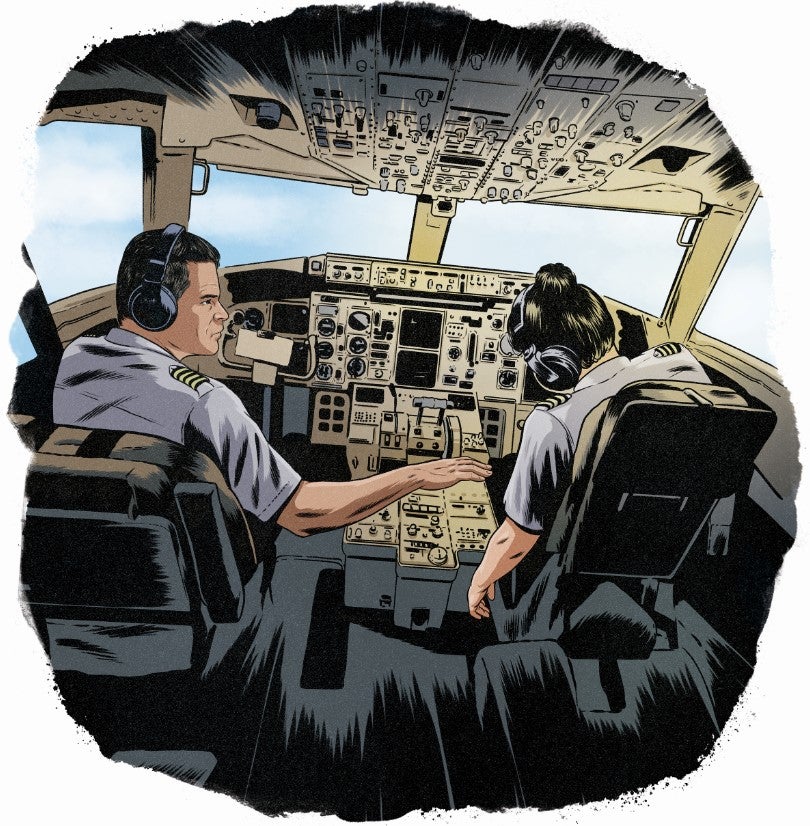
What do you do if a passenger or crewmember becomes incapacitated. It may have seemed to be a 'what-if' exercise. [Image: Joel Kimmel]
Gemini Sparkle

Key Takeaways:

  • Proactively monitor for subtle signs of incapacitation in crew or passengers, asking direct questions about their well-being, as early detection can prevent emergencies.
  • Effectively utilize all available resources during an emergency, including autopilots, electronic flight bags, and especially Air Traffic Control (ATC), to manage workload and maintain situational awareness.
  • Carefully evaluate diversion options beyond just proximity, considering factors like medical facilities and support services at potential landing sites.
  • Trust your training and maintain composure under pressure, relying on established procedures and clear-headed decision-making to safely manage critical in-flight emergencies.
See a mistake? Contact us.

Incapacitation. Webster’s Dictionary defines it as a “prevention from functioning in a normal way.”

What does that really mean, at least in flying? How do I recognize it? How do I respond? You may have discussed this topic with your flight instructor at some point in your training—what to do if a passenger or crewmember becomes incapacitated. It may have seemed to be a “what-if” exercise.


Terry Hand

Terry Hand is a former U.S. Marine Corps helicopter and instructor pilot. His current day job for a major airline requires a type rating in the Boeing 757/767.

Ready to Sell Your Aircraft?

List your airplane on AircraftForSale.com and reach qualified buyers.

List Your Aircraft
AircraftForSale Logo | FLYING Logo
Pilot in aircraft
Sign-up for newsletters & special offers!

Get the latest stories & special offers delivered directly to your inbox.

SUBSCRIBE