













Register

Listening to That Inner Pilot Voice

Consider the lesson learned when it comes to ignoring the warning sign of an impending failure.

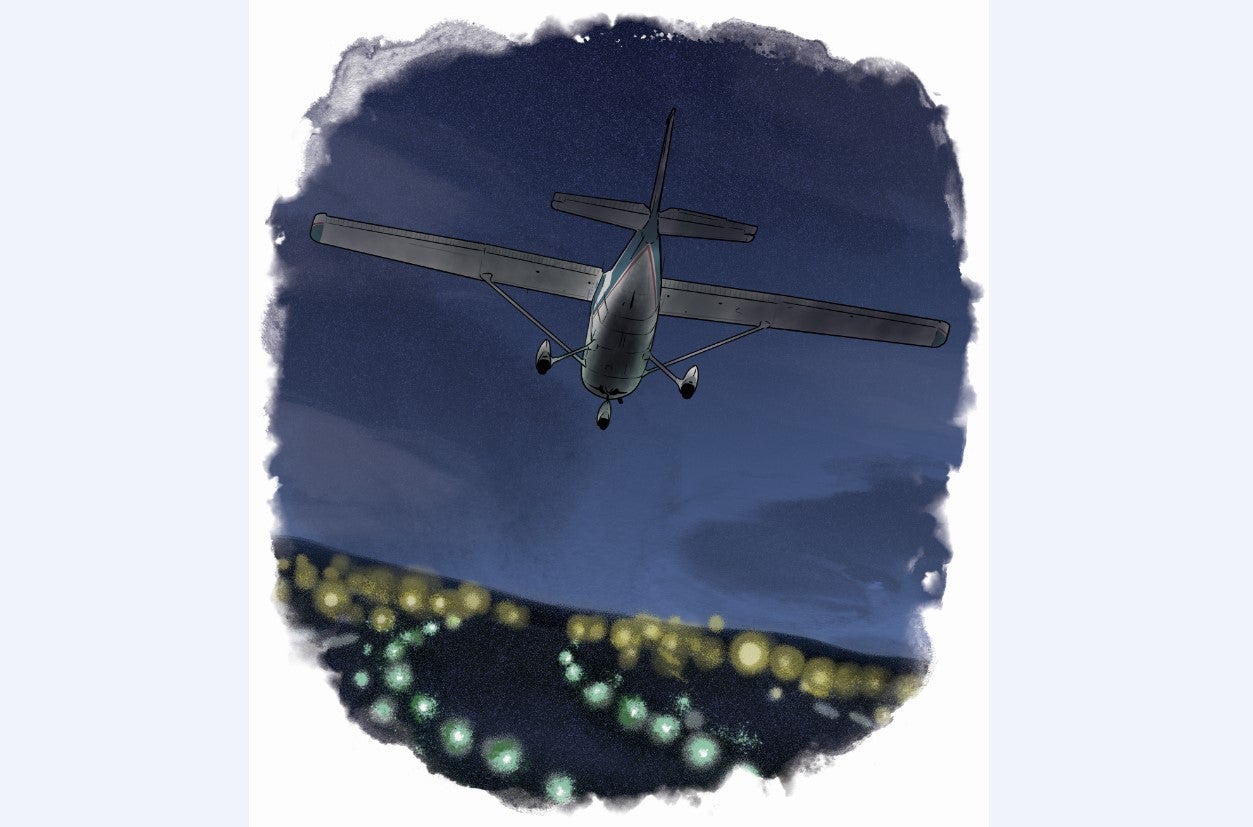
When the little pilot voice says, 'all is not right here,' pause to evaluate what’s going on. [Image: Joel Kimmel]
Gemini Sparkle

Key Takeaways:

  • The author experienced a complete electrical failure during a night flight with family, resulting in the loss of radios, transponder, landing lights, and flaps, following an ignored pre-flight ammeter anomaly.
  • Despite the critical emergency, the pilot successfully navigated back to a familiar airport, relying on prior no-flap landing practice, ATC's primary radar tracking, and light gun signals for a safe landing in the dark.
  • Key lessons learned include the importance of a comprehensive instrument scan, not dismissing subtle warning signs, consistent recurrent training, and leveraging the invaluable support of the ATC system in emergencies.
  • The incident also underscored practical preparedness, such as keeping essential items like spare glasses readily accessible in the flight bag.
See a mistake? Contact us.

My story begins with two preliminary events, each with a clue as to the nature of the main event.

First, in April 1996, I had spent an hour in recurrent training in my Skyhawk. We had done some air work, including steep turns and slow flight, as well as some partial panel flying. As we returned to the Purdue University Airport (KLAF), my instructor suggested a no-flap landing, something I had not practiced since primary training nearly 10 years previously. It went well, and I was reminded that no-flap landings are faster and with a more nose-high attitude.


Ready to Sell Your Aircraft?

List your airplane on AircraftForSale.com and reach qualified buyers.

List Your Aircraft
AircraftForSale Logo | FLYING Logo
Pilot in aircraft
Sign-up for newsletters & special offers!

Get the latest stories & special offers delivered directly to your inbox.

SUBSCRIBE