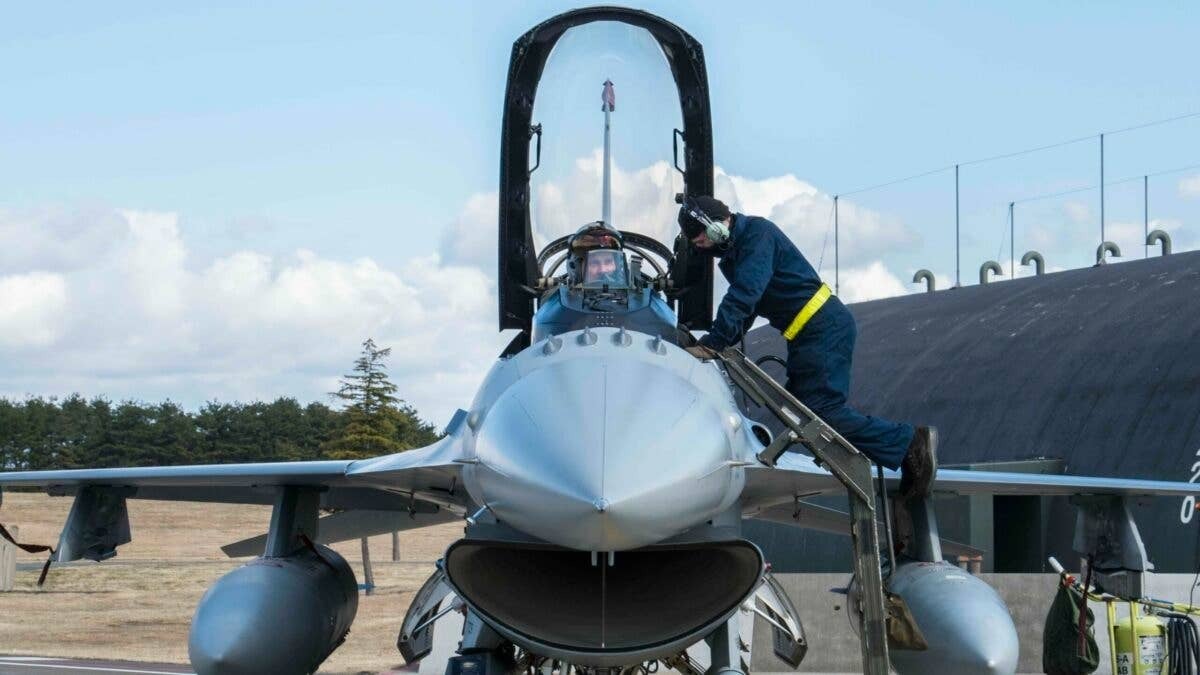
Military pilots have the experience and skills during active duty that set them up for success as commercial pilots. [Credit: U.S. Air Force]
Key Takeaways:
Military pilots transitioning to commercial aviation must adapt to significant cultural and regulatory differences, shifting from mission-specific objectives to FAA standards, passenger safety, and standardized procedures.
A crucial step involves converting military flight experience to meet civilian certification requirements, including obtaining an Airline Transport Pilot (ATP) certificate and potentially additional training and FAA exams.
The commercial pilot job market offers positive career prospects and higher earning potential, with military veterans able to leverage GI Bill benefits to cover flight training costs.
Transitioning from military to commercial aviation offers both challenges and opportunities that can shape the trajectory of your flying career.
The qualities of discipline and leadership developed during a military career can provide a strong foundation for civilian flying. Preparing for this new environment, however, can take some time and careful planning.
CREATE A FREE ACCOUNT
Sign up to keep reading
Create a free account to continue. Already a member? Sign in below.
Carly Chamerlik is a commercial pilot, independent flight instructor, former flight attendant, and aviation content creator. Her mission is to inspire others to learn how to fly, and to make general aviation more accessible to the next generation of pilots. She writes about flight training, pilot gear, business aviation, and aviation tech.