













Register

Only Assumptions Can Be Made About What Took Down a Curtiss C-46 in Alaska

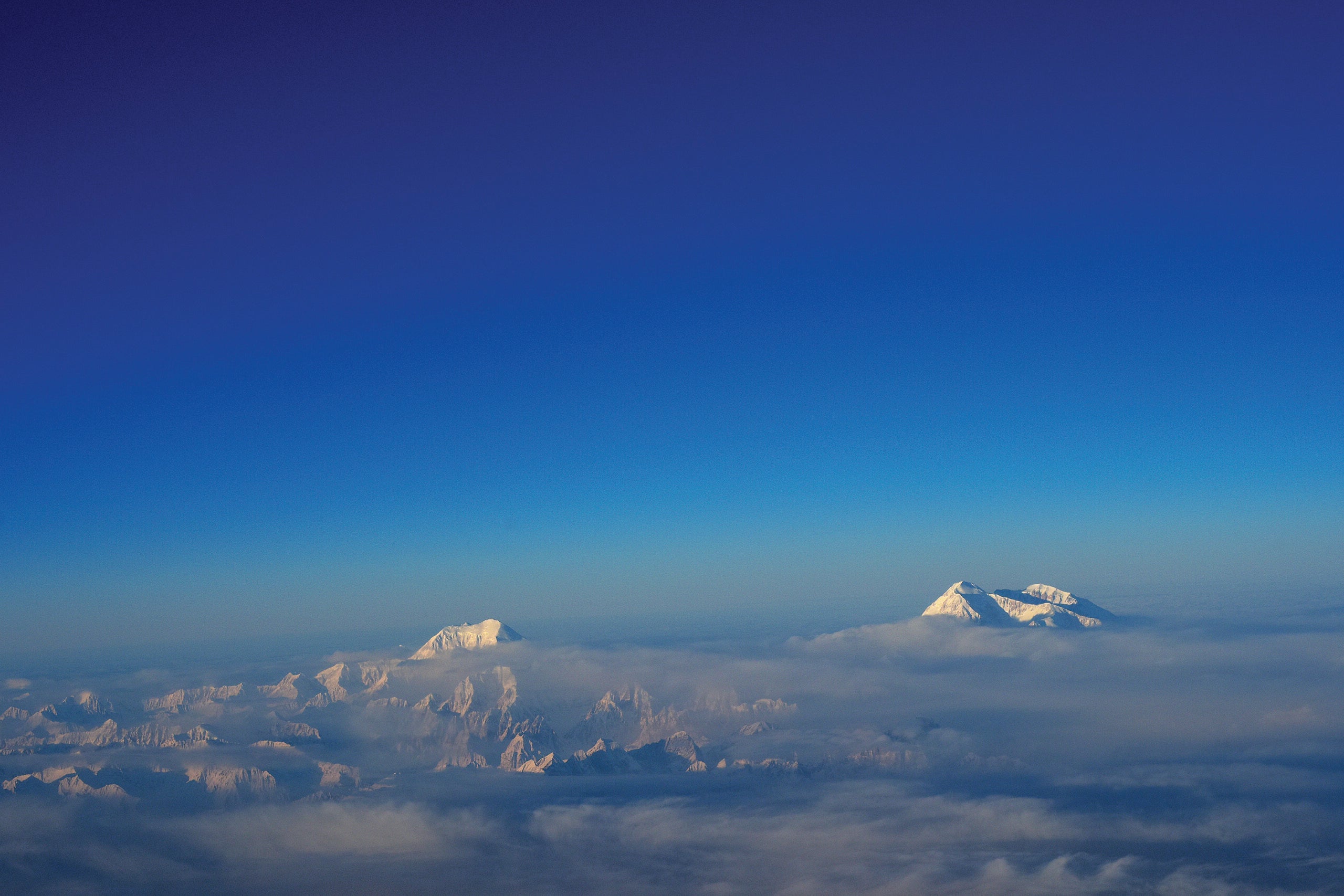
Shortly after the airplane named 'Maid of Money' took off in December 2000, snow began to fall, and winds picked up to 50 knots.

Actually, it would be difficult to define the main problem for pilots flying in Alaska. There are so many of them. [iStock]
Gemini Sparkle

Key Takeaways:

  • Alaska experiences a higher fatal general aviation accident rate, attributed to both a scarcity of weather reporting stations and a "style of flying" characterized by risk acceptance and improvisation in backcountry operations.
  • The 2000 C-46 crash illustrates how experienced pilots, flying in severe and rapidly worsening weather over mountains without an IFR plan, can succumb to assumptions and routine, leading to premature descent and collision with terrain due to poor situational awareness.
  • A key takeaway is that pilots, particularly those familiar with routes, may allow assumptions based on past experience to replace up-to-date information, thereby increasing risks in dynamic and challenging environments like Alaska.
See a mistake? Contact us.

According to a recent report from Alaska Public Media, that state’s rate of fatal general aviation accidents was about twice that of the rest of the country until 2016 when, for unspecified reasons, it began to decline. It still remains higher than elsewhere. The gist of the article—which was motivated by the death of Eugene Peltola, husband of U.S. representative Mary Peltola, in a Piper Super Cub—was that the main problem for Alaskan pilots was lack of weather information, since the density of automated weather reporting stations in the state is half that of other parts of the country.

Actually, it would be difficult to define the main problem for pilots flying in Alaska. There are so many of them. And there is an additional problem that is created by the sheer existence of all the other problems: a certain style of flying and acceptance of risk arising from the combination of urgency and improvisation that backcountry operations entail.

Peter Garrison

Peter Garrison taught himself to use a slide rule and tin snips, built an airplane in his backyard, and flew it to Japan. He began contributing to FLYING in 1968, and he continues to share his columns, ""Technicalities"" and ""Aftermath,"" with FLYING readers.

Ready to Sell Your Aircraft?

List your airplane on AircraftForSale.com and reach qualified buyers.

List Your Aircraft
AircraftForSale Logo | FLYING Logo
Pilot in aircraft
Sign-up for newsletters & special offers!

Get the latest stories & special offers delivered directly to your inbox.

SUBSCRIBE
