













Register

The Diamond Aircraft Story Continues to Evolve

Diamond Aircraft launched its first single-engine piston airplane into the European market in 1992 with the two-seat Dimona—later Diamond—DV20 Katana, powered by a Diamond Wankel engine.

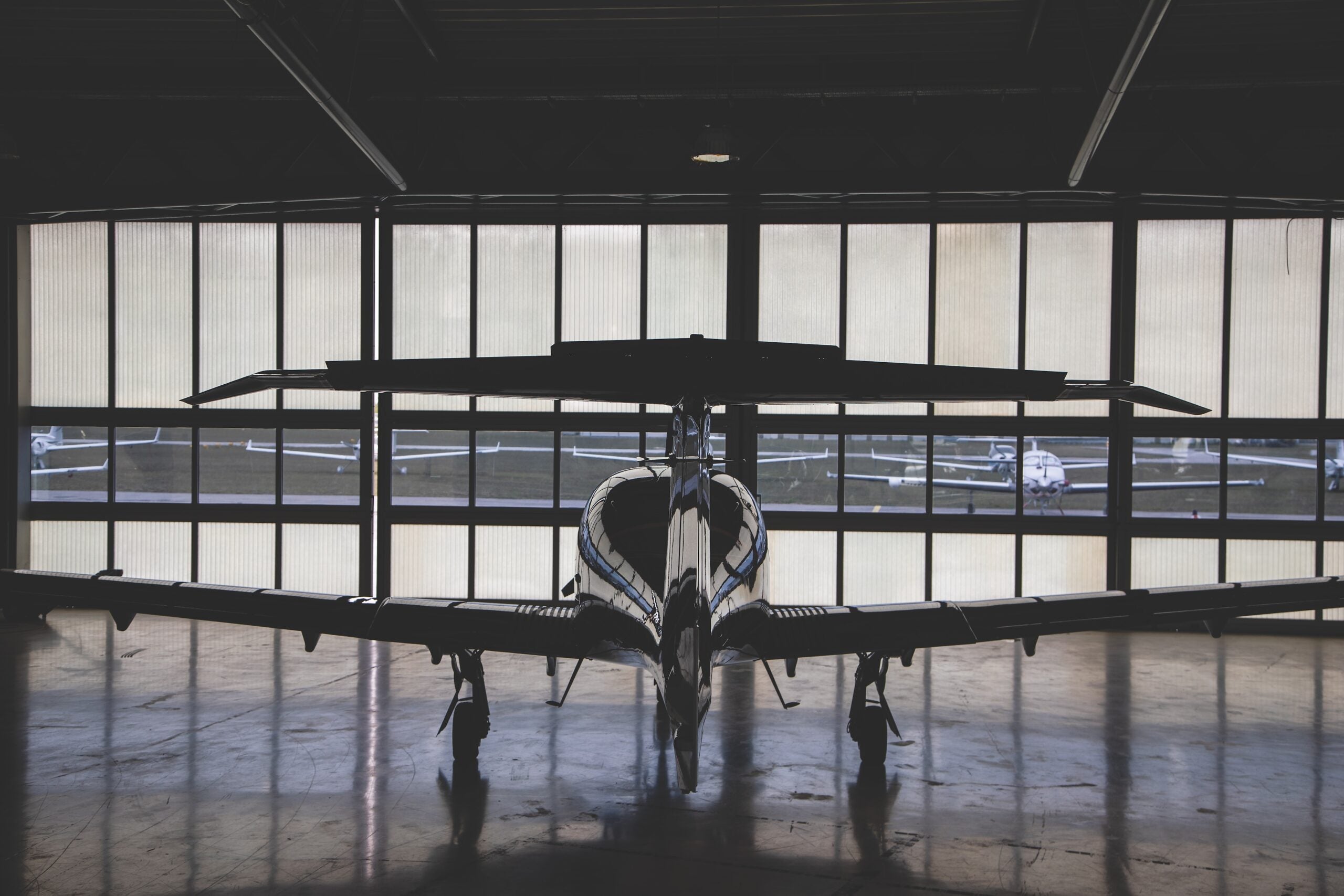
The Diamond DA50 RG awaits the day in the delivery hangar at the company's headquarters in Wiener Neustadt, Austria. [Credit: Jim Payne]
Gemini Sparkle

Key Takeaways:

  • Diamond Aircraft, established in 1992, has evolved from its initial DV20 Katana to a diverse range of composite aircraft like the DA20, DA40, and DA50 RG, initially encountering market resistance for its non-traditional engine choices.
  • A central tenet of Diamond's design philosophy is exceptional crashworthiness, particularly through fuel containment to mitigate post-accident fires, coupled with superior gliding capabilities inherited from the company's legacy.
  • All Diamond aircraft are distinguished by their lightweight, all-composite construction, predominantly using carbon fiber, with manufacturing operations spanning facilities in Austria, Canada, and China.
See a mistake? Contact us.

Diamond Aircraft launched its first single-engine piston airplane into the European market in 1992 with the two-seat Dimona—later Diamond—DV20 Katana, powered by a Diamond Wankel engine. It made only a minor splash when a Rotax 912-powered DA20-A1 version was produced in Ontario, Canada, and introduced into the Canada and U.S. markets in part because the training market was still entrenched and married to more traditional powerplants, such as the Continental O-200, and the IO-240 that replaced the Rotax in “Evolution” and “Eclipse” versions produced alongside the DA20-C1. The DA20s formed the basis for the four-seat DA40, also known as the Diamond Star.

While the company’s design philosophy driving towards higher levels of safety isn’t unique, its approach is. Crashworthiness is key—particularly in the containment of fuel in order to mitigate fire conflagration following an accident that breaches tank-carrying parts of the airframe. Isolation of the tank between spars and thoughtful placement of fuel lines have thus far resulted in an excellent post-accident safety record with a low fire risk. Perhaps introducing fuel to a gliding airframe that had none of it before made early engineers particularly conscious of its objective hazards.


Ready to Sell Your Aircraft?

List your airplane on AircraftForSale.com and reach qualified buyers.

List Your Aircraft
AircraftForSale Logo | FLYING Logo
Pilot in aircraft
Sign-up for newsletters & special offers!

Get the latest stories & special offers delivered directly to your inbox.

SUBSCRIBE