











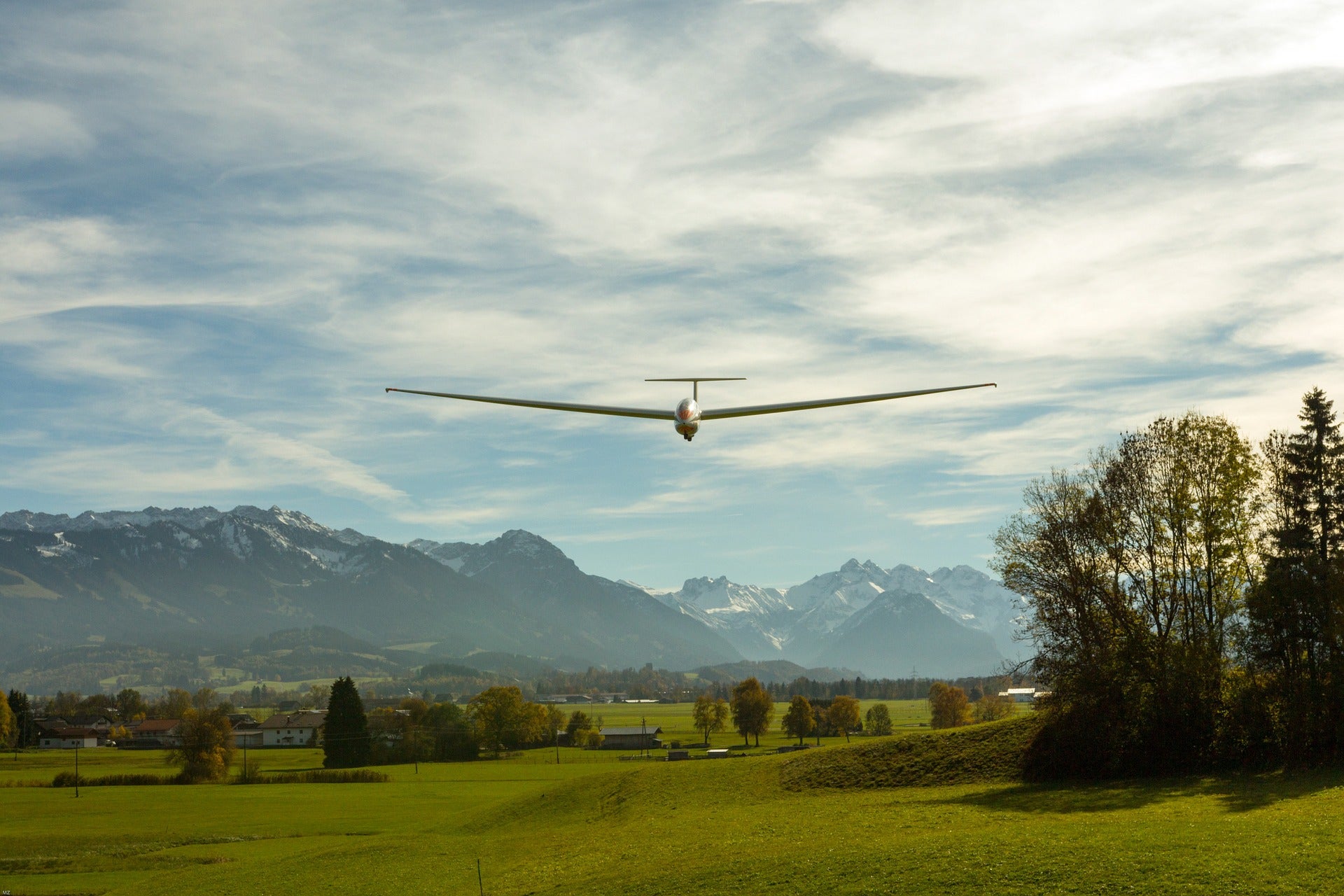
Learning to fly gliders introduces you to flight without relying upon an engine—in general terms. A glider is typically shaped like an airplane but with wings that have a higher aspect ratio (meaning they’re longer and thinner) in order to maximize the glider’s advantage using lift. Glider categories sort into self-launch or motorgliders, aero-tow, or winch-launch. Sources of lift for a glider include thermals, ridge lift, and wave lift.
Learn to Fly: Gliders

Key Takeaways:
- Gliders are engine-less aircraft utilizing high aspect ratio wings and natural lift sources like thermals, ridge, and wave lift, categorized by launch methods such as self-launch, aero-tow, or winch-launch.
- Learning to fly gliders offers a unique introduction to aviation, allowing solo flight at age 14 and teaching fundamental soaring techniques applicable to all forms of flying.
- Glider pilots can compete internationally in aerobatic and distance/time contests, providing motivation and incentives for skill development beyond initial ratings.
Key takeaways sponsored by Aviator Pro | Start Your Training ->
See a mistake? Contact us.

