











There’s a reason pilots don’t train for some inflight failures. Sometimes those failures are so rare that the likelihood of a pilot encountering them is not deemed worthy of more than a mention during ground school. Then there are those failures for which no solution exists, as was experienced by a designated pilot examiner and a commercial student in April 2018 near Daytona Beach International Airport when the left wing of the Piper Arrow they were flying separated from the airplane. Following a touch-and-go landing, the Piper was climbing on a westerly heading at about 80 knots when, with less than 1,000 feet of altitude between the airplane and the ground, the structural failure occurred. The DPE and the student were both killed in the accident.
NTSB Issues Final Report on 2018 Daytona Beach Accident
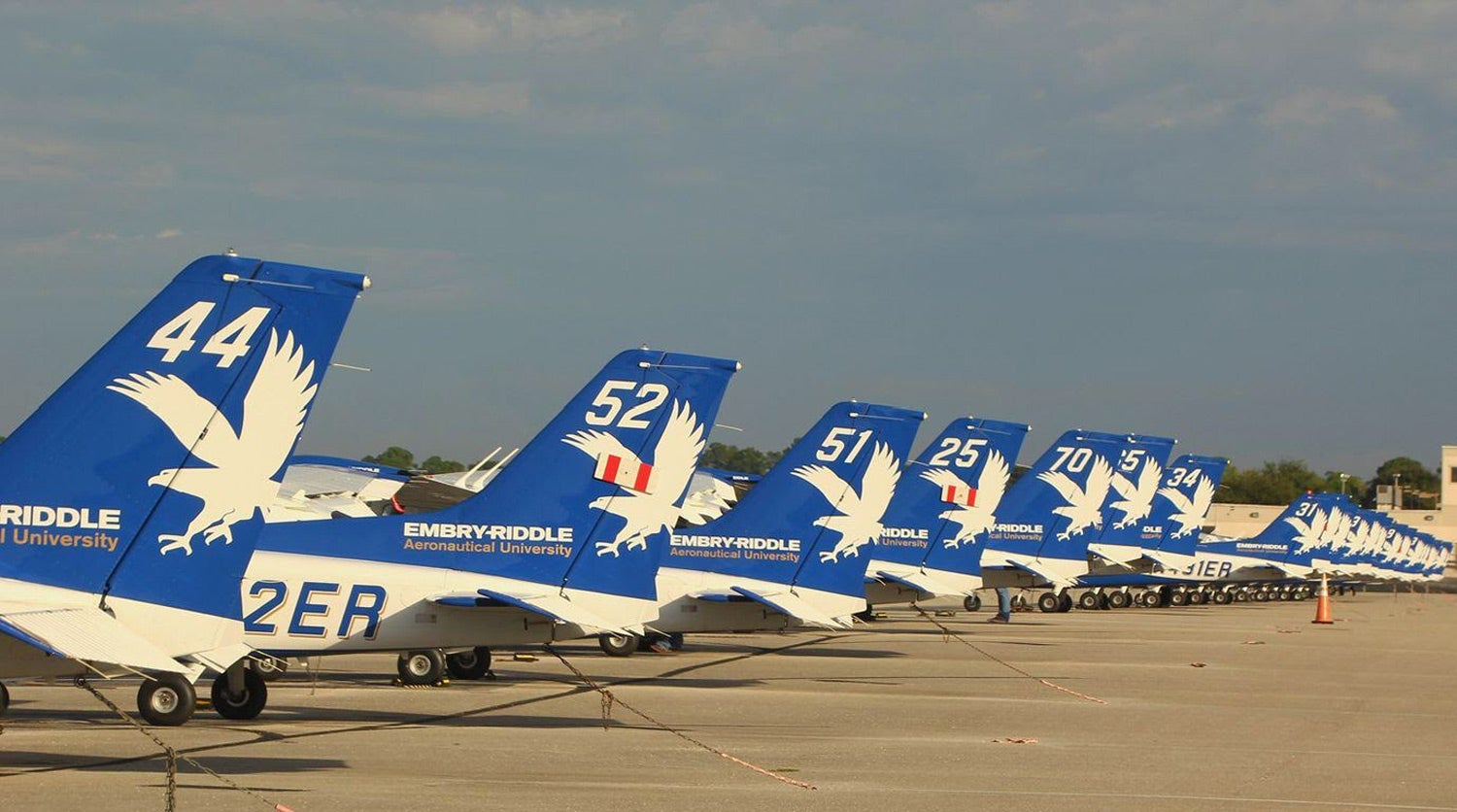

Key Takeaways:
- A Piper Arrow's left wing separated mid-flight, killing a DPE and student, due to extensive fatigue cracking in the main spar.
- The NTSB determined that the severe operational environment of flight training (frequent landings, low-altitude maneuvers, higher gust loads) caused accelerated fatigue compared to personal use.
- The critical fatigue cracks were not visually detectable, requiring specialized nondestructive inspection, and existing inspection criteria were deemed insufficient.
- The NTSB urged the FAA to reexamine its proposed Airworthiness Directive for applicability based on airplane usage, noting that an AD for flight training environments was still pending.
Key takeaways sponsored by Aviator Pro | Start Your Training ->
See a mistake? Contact us.

