











By the time most pilots have begun applying to the major airlines, they can usually recite the carrier’s requirements, whether it’s total flight or PIC time, education, experience or myriad other demands. Sometimes though, a pilot manages to win a seat in an airline class despite not meeting each and every requirement.
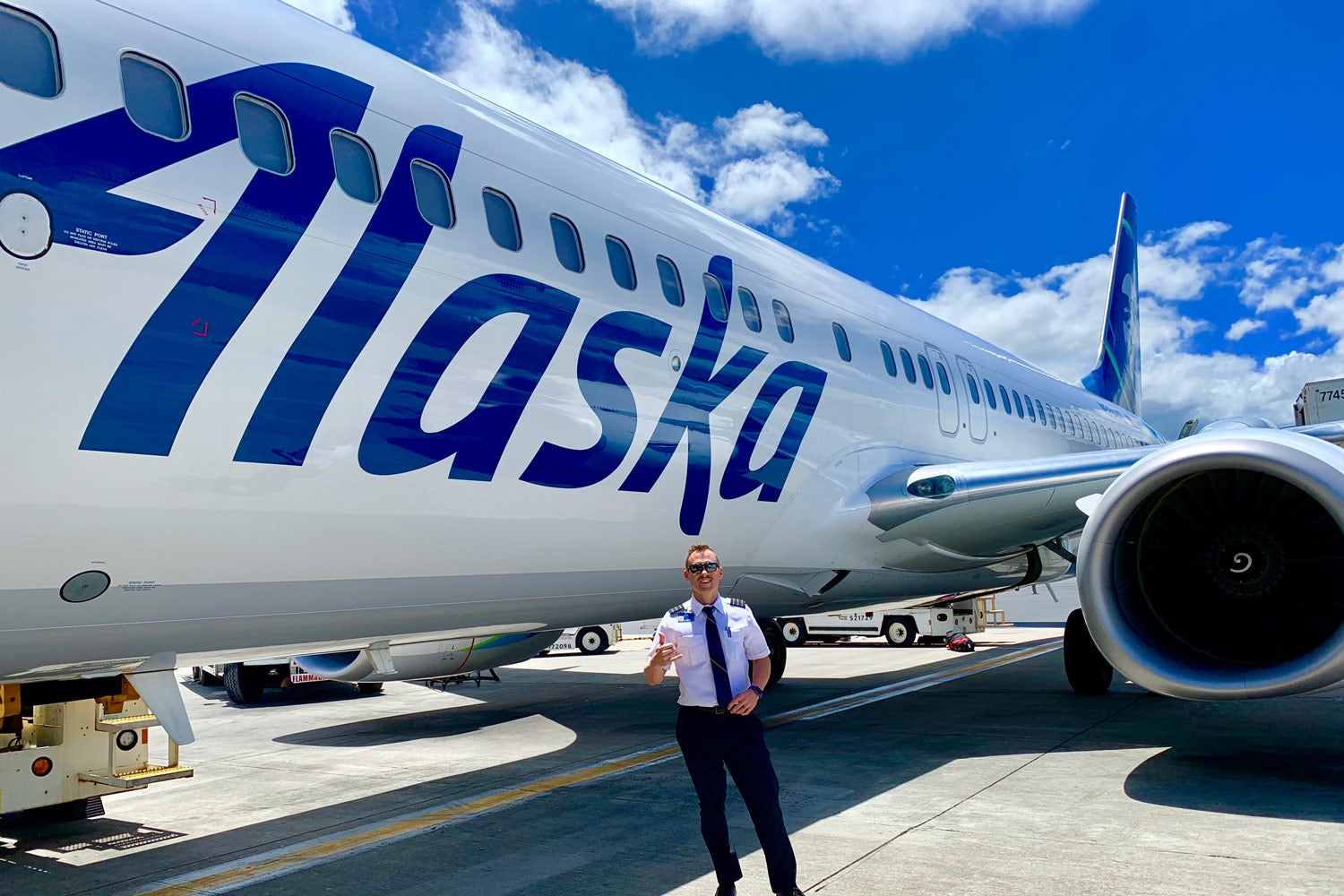
Richard Ethington: First Officer at Alaska Airlines

Key Takeaways:
- Major airlines are becoming more flexible with traditional hiring requirements, such as a four-year degree, often prioritizing specialized flight experience and skills due to industry pilot shortages.
- Richard Ethington's success at Alaska Airlines exemplifies this trend, as his expertise flying into challenging mountainous airports with SkyWest proved more valuable than a college degree.
- Key career advice for aspiring major airline pilots includes aggressive networking, seeking early captain upgrades to build Pilot-in-Command (PIC) time, and pursuing extracurricular training to develop unique, valuable skill sets.
Key takeaways sponsored by Aviator Pro | Start Your Training ->
See a mistake? Contact us.

