











It’s a rare pilot indeed who learns to fly in a single-engine airplane and never dreams of jumping into a larger, sleeker machine that carries more people, flies faster and farther, and of course, is outfitted with all the latest electronic navigation and communications gear. For pilots able to climb that ownership ladder—often men and women who plan to use that larger airplane for business—these dreams used to mean stepping up to a light, unpressurized piston twin such as a Cessna 310 or a Beechcraft Baron. But the days of piston-powered twins have come and gone.
Piston to Turbine Transition
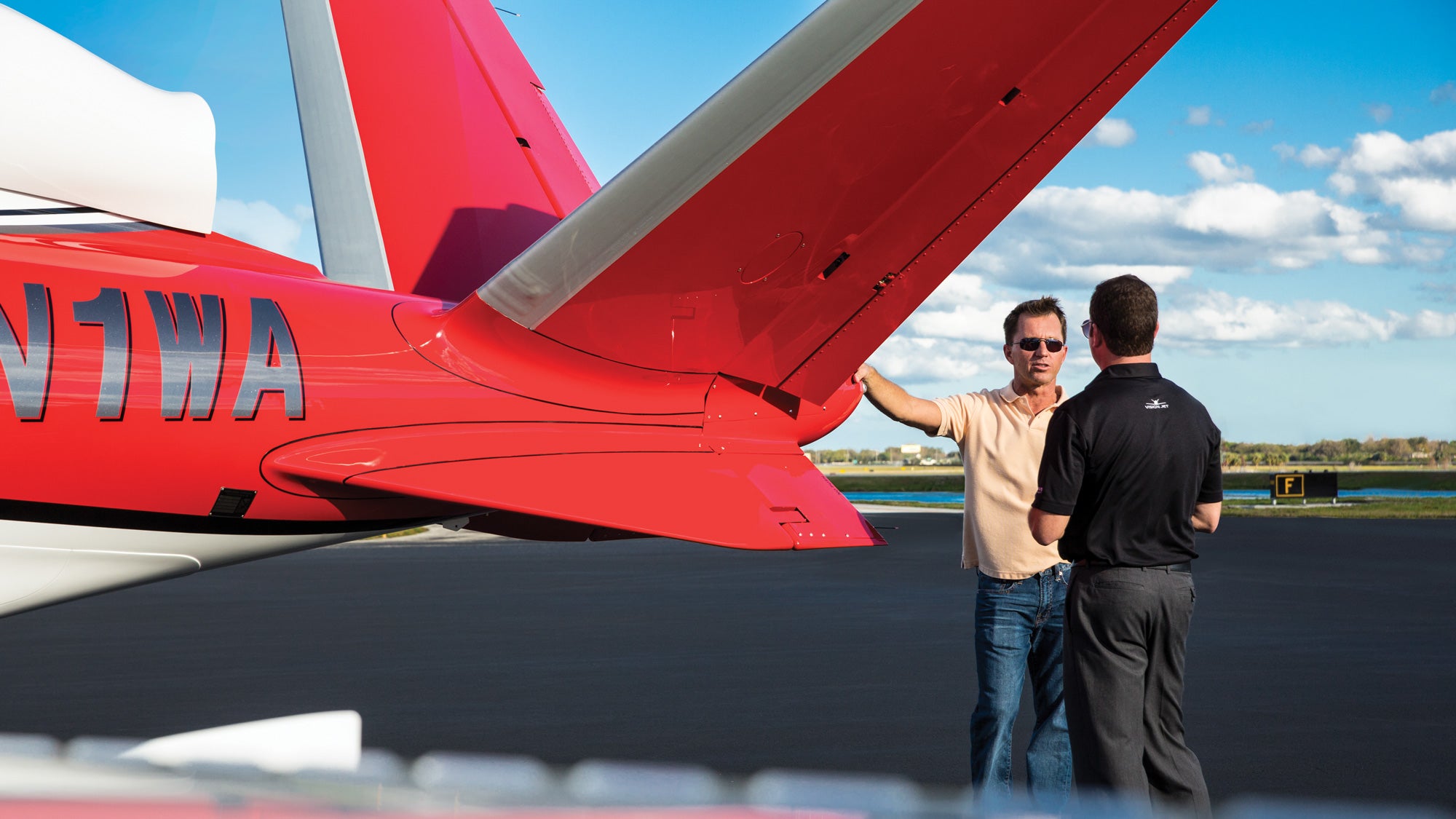

Key Takeaways:
- Pilots upgrading from piston aircraft now primarily transition to high-performance turbine-powered singles (turboprops) or light twin-engine jets, replacing older piston twin designs.
- Transitioning to these advanced aircraft demands significant and often prolonged training, including formal courses, mentor pilot hours, and recurrent training, to master complex avionics, high-altitude operations, and increased responsibilities.
- Successful and safe transition relies heavily on continuous learning, often exceeding minimum requirements, leveraging resources like mentor pilots and owner's clubs, and using risk management tools to adapt to faster speeds and more complex operational environments.
Key takeaways sponsored by Aviator Pro | Start Your Training ->
See a mistake? Contact us.

