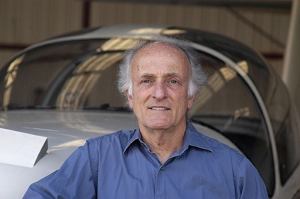


In August 2016, Le Rêve Bleu, a replica of the prewar Bugatti-de Monge 100P racer, crashed on its third flight. The pilot, 66—a 10,000-hour ex-U.S. Air Force pilot holding an ATP (airline transport pilot certificate), who had devoted years to the recreation of the fabled airplane—died.
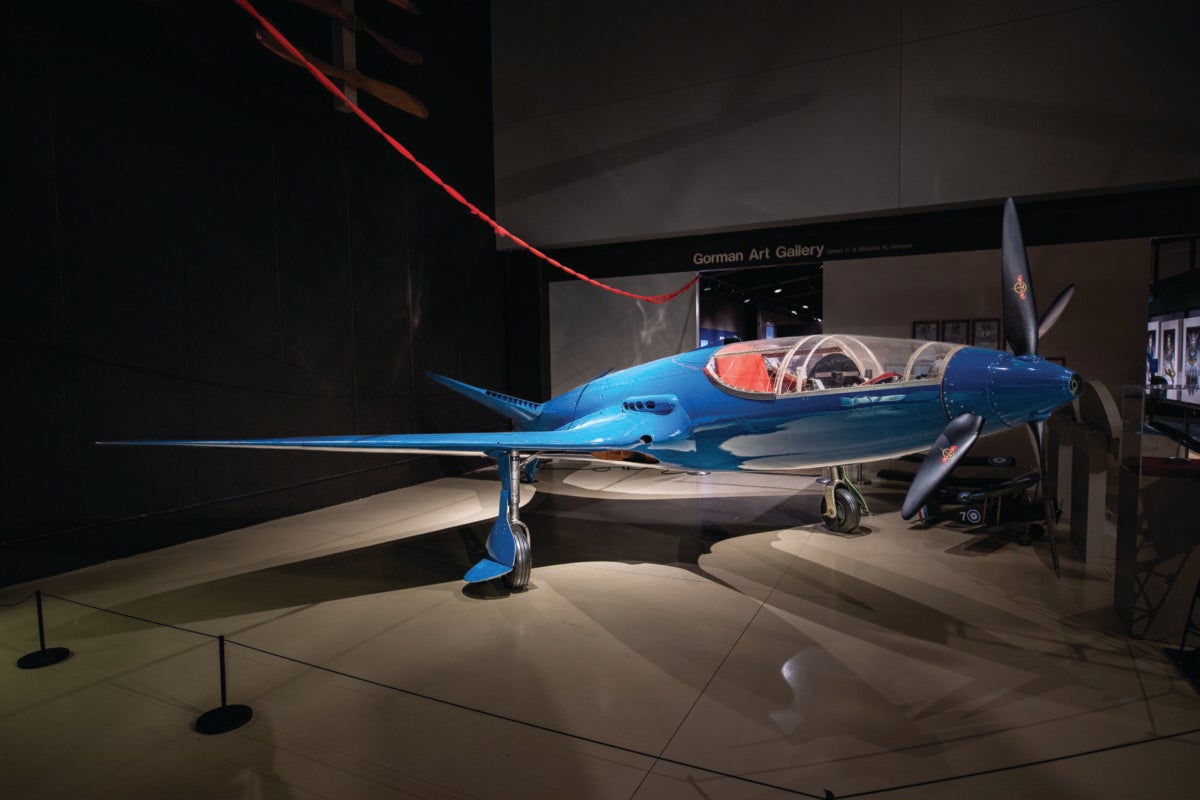
The original airplane, now in the EAA museum, was built in the late 1930s. It was stored, incomplete, when World War II loomed, and it never flew. Intended to compete in the Coupe Deutsch de la Meurthe races, it had a drastically tapered, forward-swept wing (with an aspect ratio of 3.3), a minimal empennage, and contra-rotating tractor propellers driven by two Bugatti supercharged straight-eight engines of 450 hp each, mounted amidships, one behind the other. Racing speeds in those days were around 300 mph—the dominant competitors in Europe were carefully streamlined, but conventional Caudron monoplanes with six-cylinder inverted, inline engines of around 300 hp. Clearly, the Bugatti, if it worked, would be faster. Besides, some people thought it was the most beautiful airplane ever.