











Rock The Prop?

I recently rented a Cherokee for a short flight. When I went up to the rental office, I was handed the book for the plane containing all of the pertinent information particular to it. On the books cover I found a notice stating in large bold print: "After flight please place the propeller in the vertical position." I understand the reasoning behind that request is to signal fuel truck drivers to fill the tanks of any aircraft with a vertical propeller. One of the very first things I do as a renter after opening the door of an airplane I intend to fly is to make certain all switches are in their proper place. Afterward, I begin the in-cockpit portion of my pre-flight: Engage the battery to ensure all lights and beacons are working.

Gemini Sparkle

Key Takeaways:

  • A rental office requests pilots to position the propeller vertically after flight as a signal for refueling.
  • The author outlines his thorough pre-flight checks and questions the reliability of rocking the propeller for oil viscosity assessment by average renters.
  • The author views moving the propeller manually post-flight as extremely dangerous due to the risk of a "hot magneto" causing unexpected engine start and potential severe injury or death.
See a mistake? Contact us.

I recently rented a Cherokee for a short flight. When I went up to the rental office, I was handed the book for the plane containing all of the pertinent information particular to it.

On the books cover I found a notice stating in large bold print: “After flight please

288

place the propeller in the vertical position.” I understand the reasoning behind that request is to signal fuel truck drivers to fill the tanks of any aircraft with a vertical propeller.

One of the very first things I do as a renter after opening the door of an airplane I intend to fly is to make certain all switches are in their proper place. Afterward, I begin the in-cockpit portion of my pre-flight: Engage the battery to ensure all lights and beacons are working.
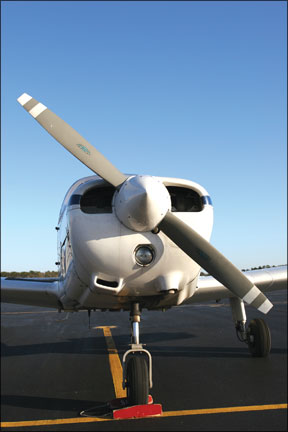

Later, as my walk-around reaches the front of the airplane, I run the palm of my hand down the propellers leading edge to feel for any nicks. After completing my pre-flight I would go through the proper pre-start procedures, as outlined in the book specific for that type of plane.

Meanwhile, some instructors and/or FBOs advocate rocking the propeller during a cold-weather preflight to determine the engine oils viscosity. While some experienced pilots may reliably use such a technique, I sincerely doubt the average renter can.

I see the FBOs request to move the propeller as potentially an extremely dangerous one, due to the obvious risk of a “hot” magneto. If a “p-lead” came loose in flight, and unless a mag check was performed before shutting down, and the failure repaired before the next renter took off, theres a huge potential for severe injury or death from moving the propeller into the vertical position after shutting down.

– Gabor Zolna

Ready to Sell Your Aircraft?

List your airplane on AircraftForSale.com and reach qualified buyers.

List Your Aircraft
AircraftForSale Logo | FLYING Logo
Pilot in aircraft
Sign-up for newsletters & special offers!

Get the latest stories & special offers delivered directly to your inbox.

SUBSCRIBE


