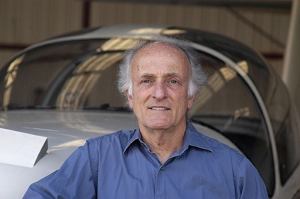
The cover story in The New York Times magazine for September 22, 2019, was entitled, “What Really Brought Down the Boeing 737 Max?” The writer, William Langewiesche—son of the sainted author of Stick and Rudder, Wolfgang Langewiesche—is a veteran of Flying, an experienced pilot, and a thorough and technically savvy researcher of his wide-ranging articles and books. As you can imagine, I read it eagerly.
Technicalities: The Story Behind the Boeing 737 Max Grounding


Key Takeaways:
- The article discusses William Langewiesche's theory that the Boeing 737 MAX crashes were primarily caused by the poor airmanship and insufficient experience of the flight crews, particularly in developing countries.
- Langewiesche's analysis, while acknowledging Boeing's design mistakes and minimization of the MCAS system, largely focused on pilot failure to disable the system, drawing both praise and criticism, including accusations of racism or classism.
- Both the author of this article and prominent pilot Chesley Sullenberger strongly refute Langewiesche's primary conclusion, asserting that Boeing's "fatally flawed" and concealed MCAS design, combined with faulty assumptions about human performance in emergencies, was the true and inexcusable cause of the "death trap" aircraft.
Key takeaways sponsored by Aviator Pro | Start Your Training ->
See a mistake? Contact us.