











Some element of human interaction, or lack of one, is responsible for nearly 70 percent of all aircraft accidents. Most of those involve violating a least one FAR, like flying a VFR aircraft into IFR weather, busting minimums on an approach, or a pilot flying when common sense said they weren’t in physical shape to act as pilot in command.
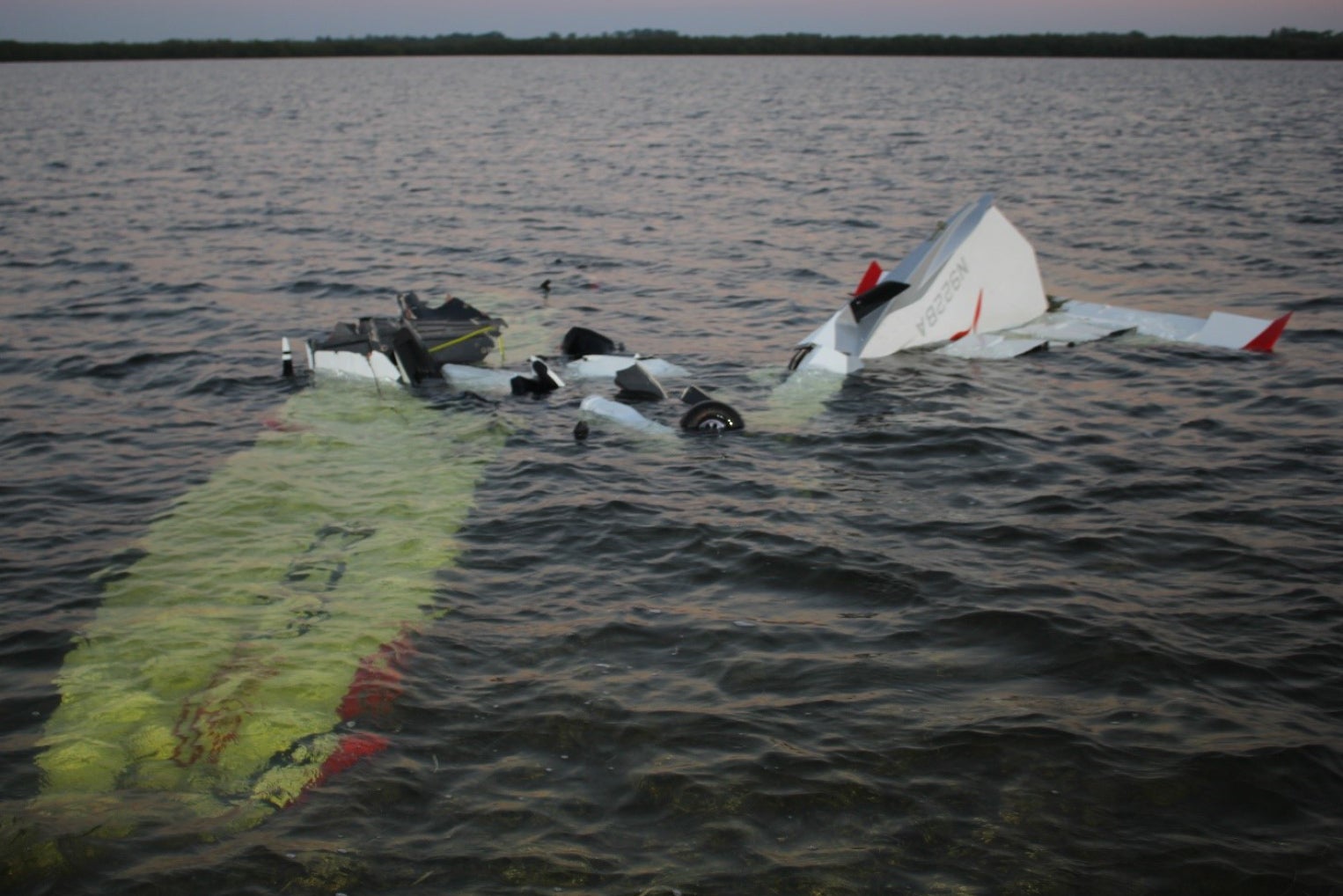
NTSB Report Offers Disturbing Details of Halladay Accident

Key Takeaways:
- Roy Halladay's fatal Icon A5 accident was linked to multiple impairing medications found in his bloodstream, some at dangerously high levels, which should have legally disqualified him from flying.
- Halladay engaged in reckless, low-altitude maneuvers that violated FAA regulations and company safety guidelines, leading to a loss of aircraft control.
- The accident highlights that human factors, including impaired judgment and disregard for regulations and safety equipment, are responsible for a large percentage of aircraft accidents.
Key takeaways sponsored by Aviator Pro | Start Your Training ->
See a mistake? Contact us.

