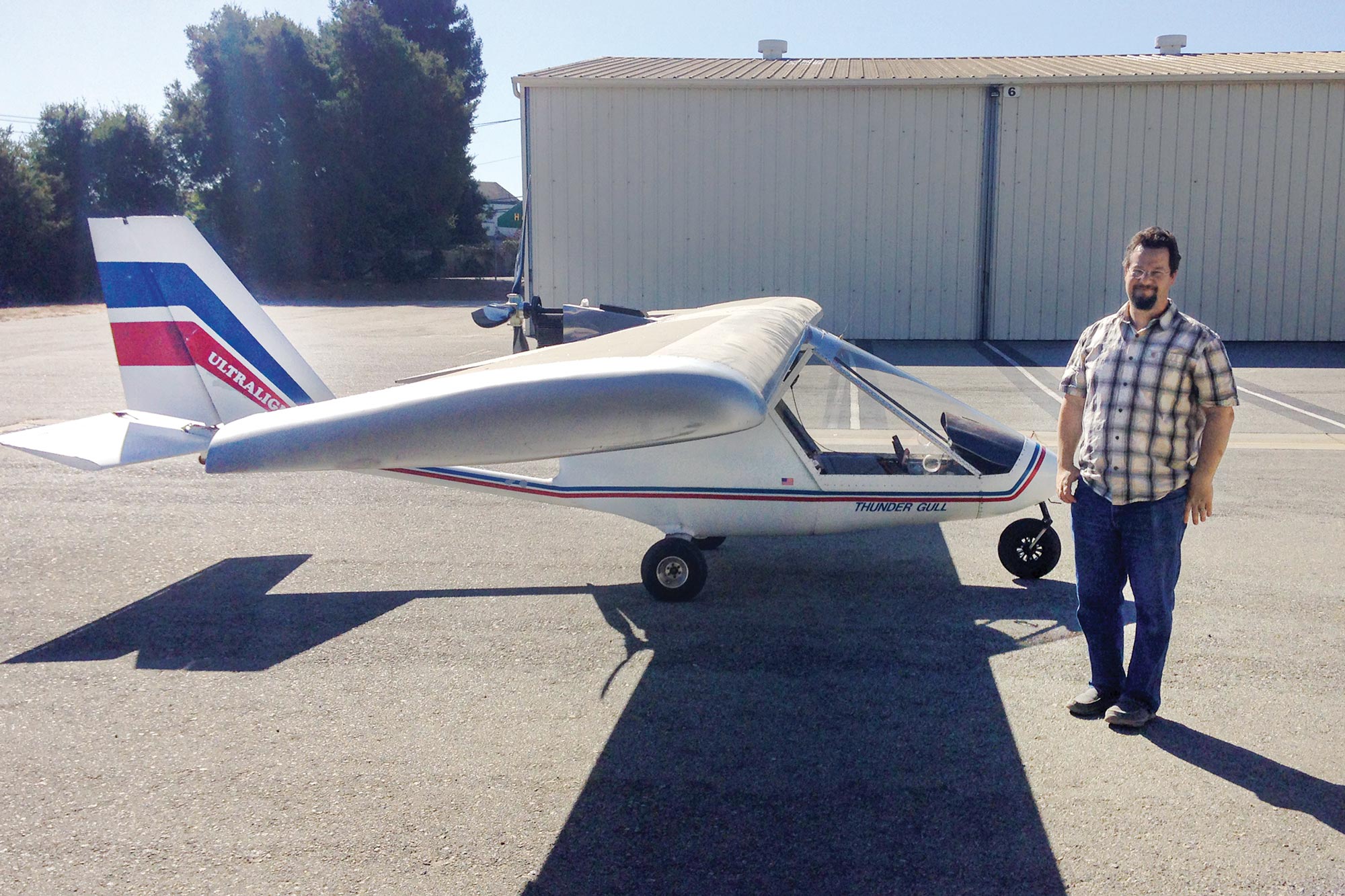
As I taxi out, a crisp shadow follows on the taxiway beside me. I give a little burst of power, then pull the throttle lever back to idle. Out of the corner of my eye, I see the shadow of the prop stop. “Uh-oh,” I think. “The engine quit.”
Technicalities: I Sing the Airplane Electric

Key Takeaways:
- Electric ultralights offer a distinct flying experience, characterized by quiet motor operation (though the propeller can still be noisy), impressive climb rates, and precise digital energy monitoring, but pilots must adapt to new operational quirks like a propeller that stops at idle.
- The primary hurdle for widespread electric aviation is the significantly lower energy density of current lithium-ion batteries compared to traditional fuel, which limits aircraft range and endurance despite the efficiency and compactness of electric motors.
- Despite present battery limitations, electric aircraft benefit from very low operating costs, fast charging capabilities, and ongoing widespread development, particularly for short-range or specialized applications like urban VTOLs.
Key takeaways sponsored by Aviator Pro | Start Your Training ->
See a mistake? Contact us.