I am a moderately experienced pilot, having amassed approximately 3500 hours over 30 years of flying. This occurrence is one Im not particularly proud of, but is instructive nonetheless. I was flying a PA-32-301T Saratoga to our home in Missoula, Mont. Fortunately I was alone; my wife might have decided right then and there to not fly with me in the future if she had been a passenger on this flight. I was over the valley, north of Bozeman. After reading a recent article in Aviation Safety discussing the pros and cons of the operation, I decided to run all the fuel from the right tank before switching to the left. As the last drops flowed from the right side, the engine coughed. I reached down and slammed the fuel selector to the left tank, hit the fuel pump and the engine died! I went through the emergence procedure by memory.
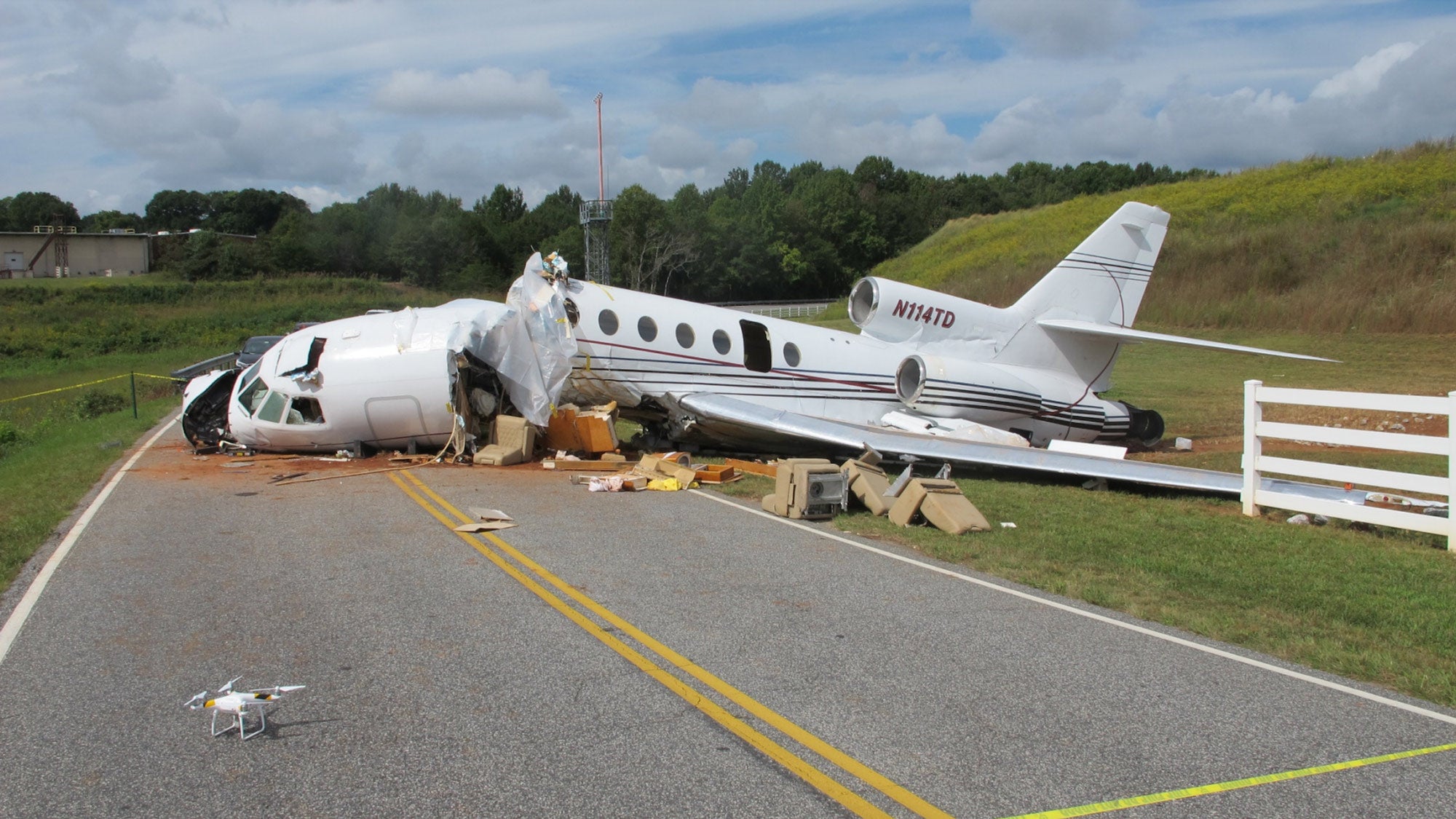
The Falcon 50 broke into two parts after leaving the runway.NTSB
Key Takeaways:
An experienced pilot encountered an engine failure after intentionally running a fuel tank dry, due to mistakenly placing the fuel selector in a detent between the "left" tank and "off" positions.
The incident highlighted the critical importance of intimately knowing an aircraft's specific system nuances, such as fuel selector detents, and immediately verifying the last action taken during an emergency.
Key takeaways include the advice to change fuel tanks over friendly terrain and to avoid practicing new operational techniques in challenging environments like mountainous areas.
I am a moderately experienced pilot, having amassed approximately 3500 hours over 30 years of flying. This occurrence is one Im not particularly proud of, but is instructive nonetheless.
I was flying a PA-32-301T Saratoga to our home in Missoula, Mont. Fortunately I
288
CREATE A FREE ACCOUNT
Sign up to keep reading
Create a free account to continue. Already a member? Sign in below.