











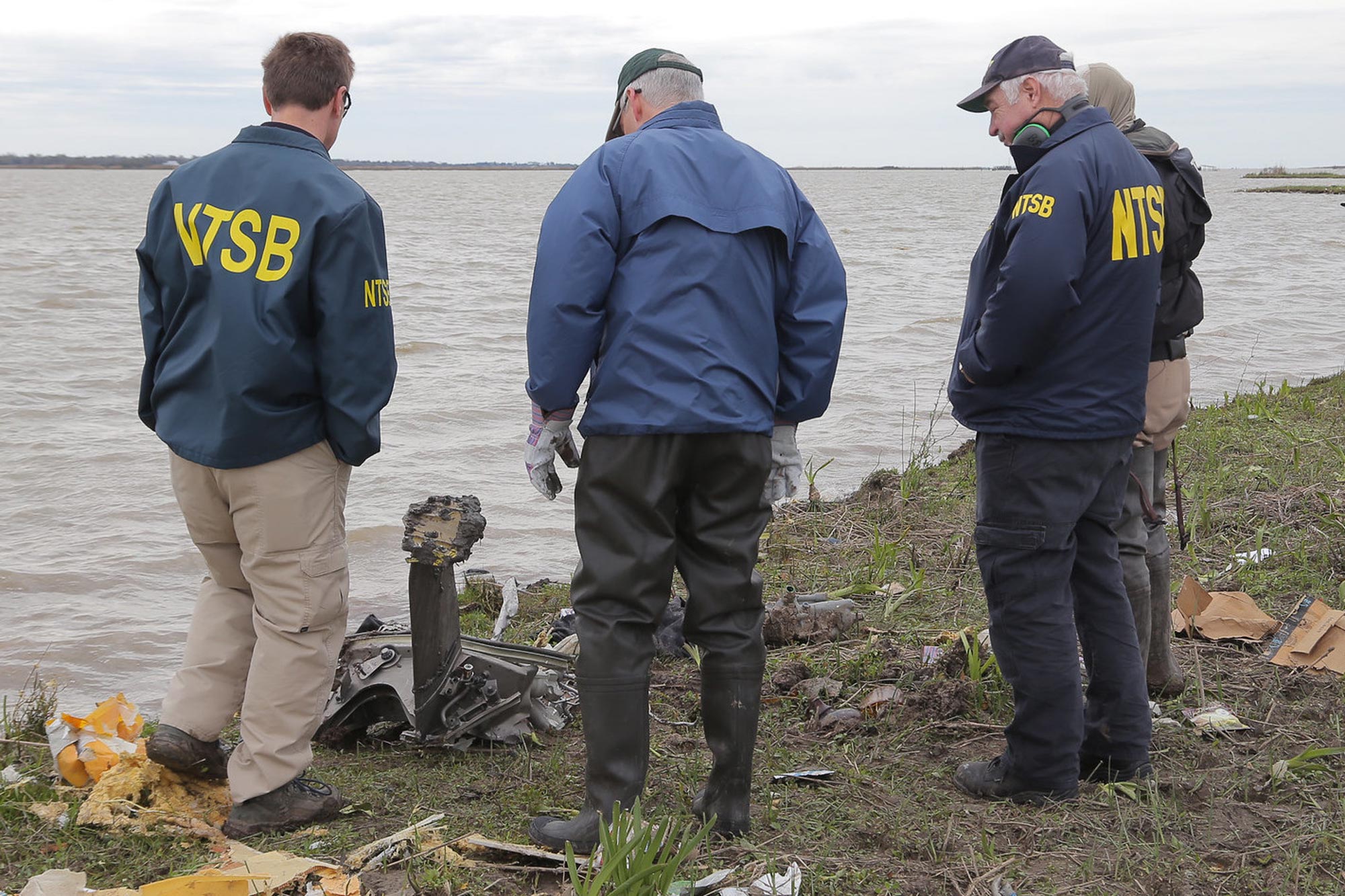
During the NTSB’s probe into the February 2019 crash of an Atlas Air Boeing 767 into a marshy area in Trinity Bay, Texas, the board determined the crew lost control of the airplane as it approached Houston’s George Bush Intercontinental Airport (IAH). The accident, an all-cargo flight, killed both pilots and also took the life of another airline pilot who was riding along in the jump seat.
Atlas Air Pilot Likely Reacted to Somatogravic Illusion

Key Takeaways:
- The Atlas Air 767 crash was primarily caused by the first officer's inappropriate and disoriented response to an inadvertent go-around mode activation, leading him to believe the aircraft was stalling and execute nose-down inputs.
- Contributing factors included the captain's failure to adequately monitor the flight path and intervene, and a lack of communication between pilots regarding the unrecognised automated flight mode change.
- The NTSB cited systemic deficiencies in pilot selection and performance measurement practices, as the first officer had a documented history of training difficulties and poor stress response that was not effectively addressed.
- The investigation led to NTSB recommendations for improved pilot record databases, warnings for specific aircraft go-around activation vulnerabilities, advanced cockpit video recorders, and more rigorous pilot applicant vetting processes.
Key takeaways sponsored by Aviator Pro | Start Your Training ->
See a mistake? Contact us.

