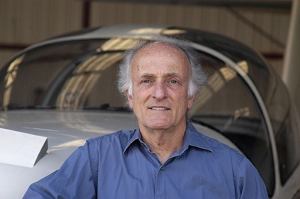
I was quite young when I first fell in love with gliding. It may have been even before I fell in love with Cecilia Revilla, who sat in front of me in the fourth grade. When I say gliding, I don’t mean flying a sailplane; I was much too young for that. I mean just the fact of something gliding—a butterfly, a model airplane, a folded-up sheet of paper. That a balsa-and-tissue model my father had made would sail out, bobbing on the ripples of the air, circling, swooping or even merely tracing a long, straight, gently descending line from the brow of a hill as if it were rolling on invisible wheels down an invisible road – that was sweet, magical and, as it turned out, life-shaping.
How Does an Airplane Glide?

Key Takeaways:
- Gliding, a concept inspired by birds and observed since antiquity, saw early foundational work by Leonardo da Vinci and Otto Lilienthal in developing designs for non-flapping flight.
- Airplane gliding operates by converting the aircraft's potential energy (altitude) into the kinetic energy required to overcome aerodynamic drag, facilitating forward movement without engine thrust through the strategic interaction of lift, drag, and air pressures.
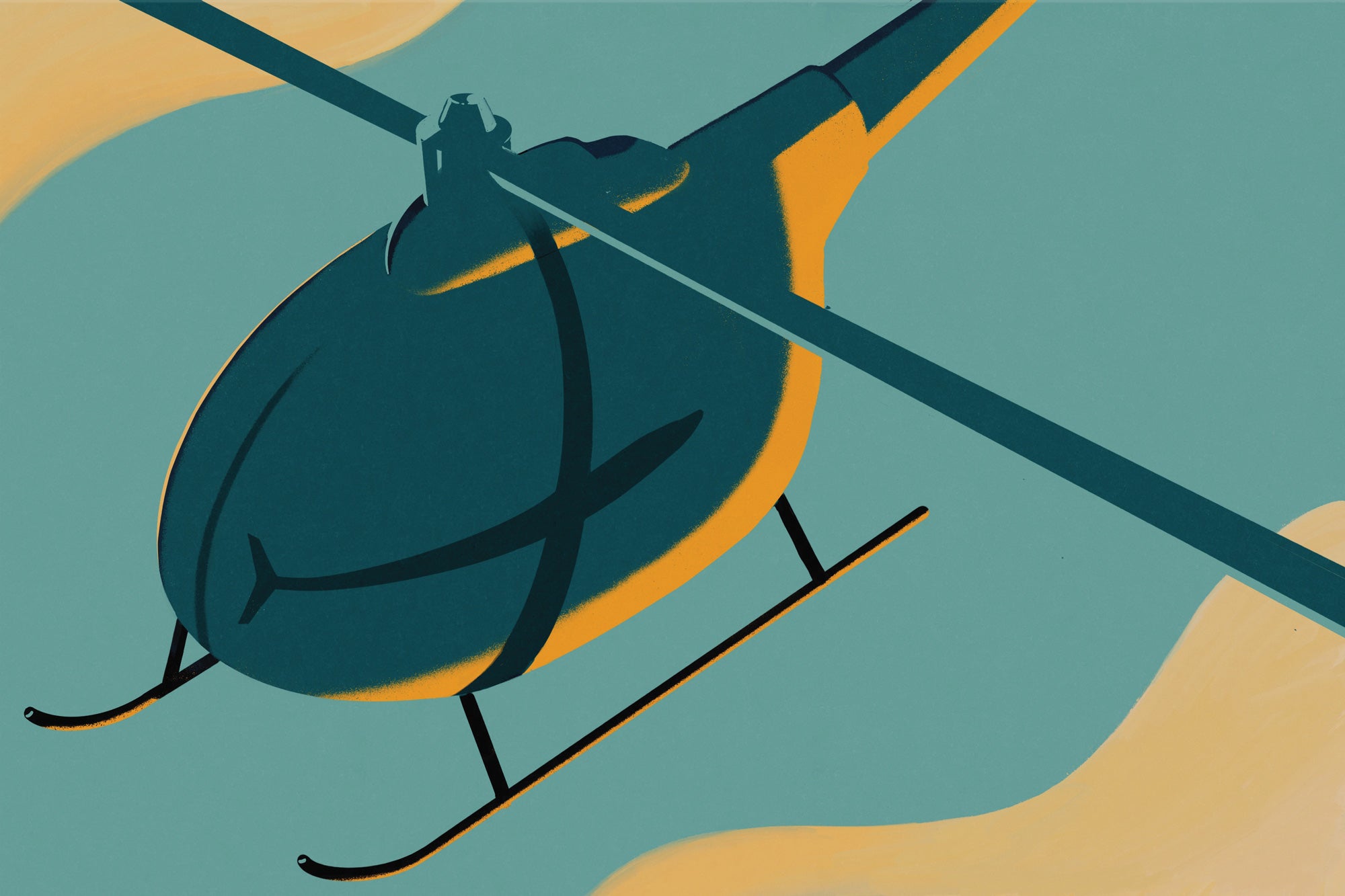
- Helicopter gliding, known as autorotation, allows for controlled descent by utilizing airflow through the rotor to maintain blade rotation; specifically, the mid-sections of the blades generate thrust to counteract drag and keep the rotor spinning.
Key takeaways sponsored by Aviator Pro | Start Your Training ->
See a mistake? Contact us.