











NTSB Points to Alcohol-Impaired Pilot as the Cause of Alaska Accident
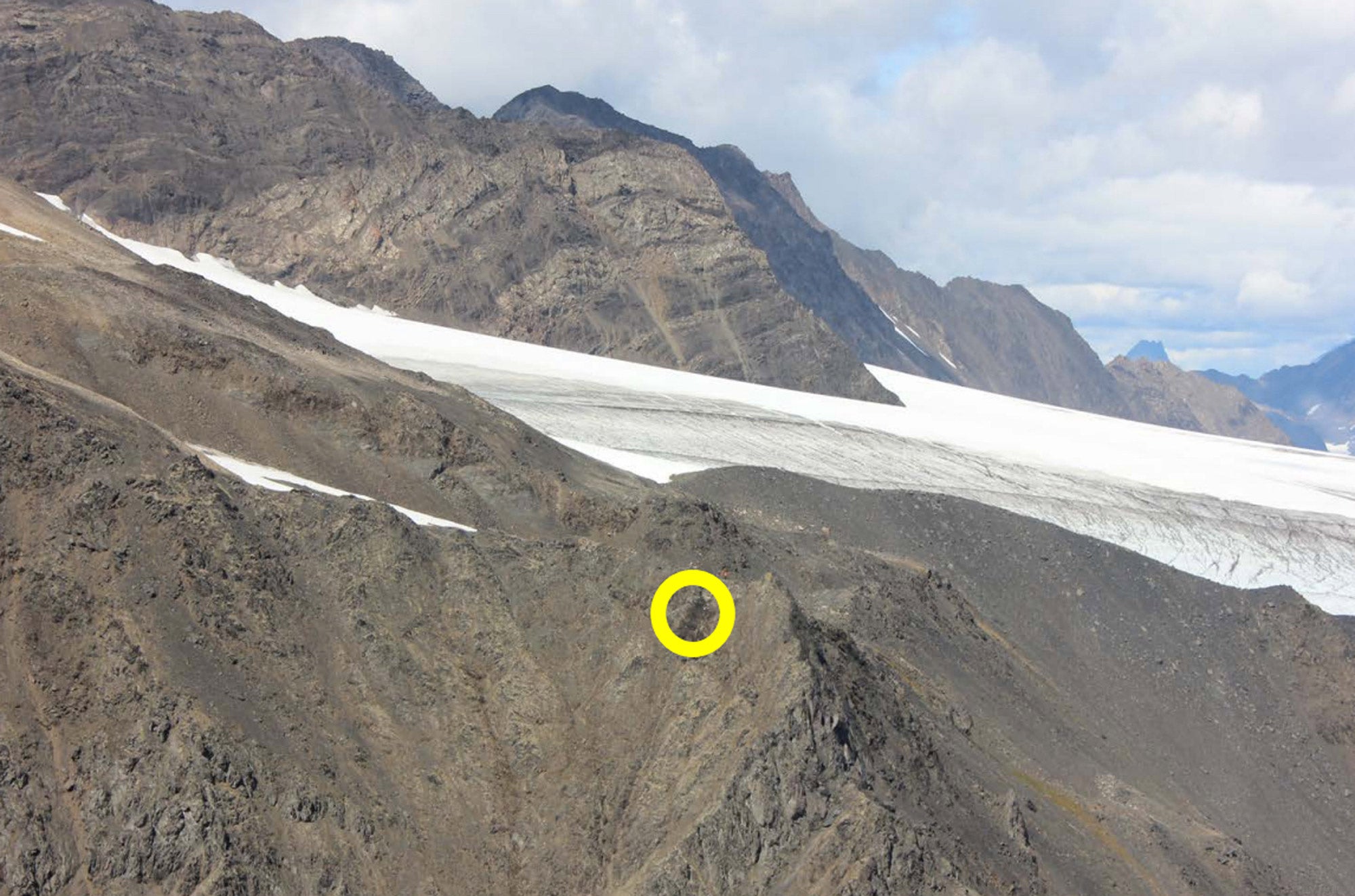
The Piper impacted just 15 feet below the top of a steep ridge. NTSB
Gemini Sparkle

Key Takeaways:

  • An August 2019 general aviation crash in Alaska, which killed a pilot and three passengers, was directly attributed to the pilot's alcohol impairment.
  • Toxicological testing revealed the pilot's blood alcohol concentration was 0.252 gm/dl, 5.5 times higher than the regulatory limit for pilots, severely impairing his judgment and motor skills.
  • Witnesses reported observing the aircraft performing aggressive and erratic flight maneuvers just before it struck a ridge.
  • The NTSB concluded the pilot was too intoxicated to recognize the danger and prevent the fatal collision with the mountain.
See a mistake? Contact us.

It’s a well-known fact too much alcohol can alter a person’s mood, behavior and coordination, not to mention impairing their decision-making abilities. Aviators are not immune to the complications surrounding alcohol as some professional pilots have learned when they were removed from revenue flights after another crewmember or gate agent smelled alcohol on their breath.

It’s not often that general aviation pilots flying while intoxicated become news, but an accident that occurred near Girdwood, Alaska, in August 2019 points directly to the pilot’s alcohol impairment as the cause. A Piper PA22-150 was destroyed by impact and a post-crash fire after it struck a 5,512 foot ridge about 15 feet below the peak. The 31-year old ATP-rated pilot and three passengers died in the accident that took place in good VFR weather. Following the accident, the NTSB reported toxicological testing showed the pilot’s bloodstream contained a concentration of alcohol 5.5 times higher than the regulatory limit for pilots. Testing also showed the student pilot certificate holder onboard also showed significant amounts of alcohol.

The NTSB report said, “While the acute effects of ethanol can vary depending on an individual’s frequency of use, body weight, and tolerance, in general, at blood ethanol concentrations as low as 0.02 gm/dl there is relaxation and some loss of judgment; at 0.05 gm/dl, there is further degradation of judgment, psychomotor functioning, and alertness. At blood ethanol concentrations above 0.10 gm/dL, there is prolonged reaction time, altered perception of the environment, lack of coordination, slowed thinking, and mood and behavioral changes. Above 0.15 gm/dl, individuals may have significant loss of muscle control and major loss of balance. In addition to worsening motor coordination and disorientation, at concentrations above 0.20 gm/dl, individuals may experience amnesia or blackouts and double vision.” Toxicology testing performed at the FAA Forensic Sciences Laboratory detected ethanol in the pilot’s blood at 0.252 gm/dl.

A close friend of the pilot and the student-pilot passenger told the NTSB, “The purpose of the flight was to take friends on a 15- to 20-minute aerial tour of the Girdwood Valley. Following the completion of the tour, the pilot, also a friend of the airplane owner, was going to fly the airplane to Montague Island. [The witness] said ‘the pilot and airplane owner had consumed alcohol earlier in the day and that he’d received a text that they were drinking, in addition to, a text that they were at the local mercantile purchasing beer. The two friends had an argument the day before, and it was a tradition to drink after reconciling their differences. He also said the pilot was a heavy drinker when not working.’”

One witness said he saw the Piper “…performing aggressive flight maneuvers as it approached the ridge before it pitched up and enter a steep climb before disappearing from view.” Another said he saw the aircraft “make a steep turn to the north and the ridgeline followed by a descent, and shortly thereafter observed a cloud of black smoke.” Another reported, “the airplane didn’t appear to have enough altitude to clear the ridge and made no attempt to initiate a climb.”

Paraphrasing the Board’s final comments, the pilot was simply too drunk to realize he was about to fly the Piper into a mountain.

Rob Mark

Rob Mark is an award-winning journalist, business jet pilot, flight instructor, and blogger.

Ready to Sell Your Aircraft?

List your airplane on AircraftForSale.com and reach qualified buyers.

List Your Aircraft
AircraftForSale Logo | FLYING Logo
Pilot in aircraft
Sign-up for newsletters & special offers!

Get the latest stories & special offers delivered directly to your inbox.

SUBSCRIBE



