
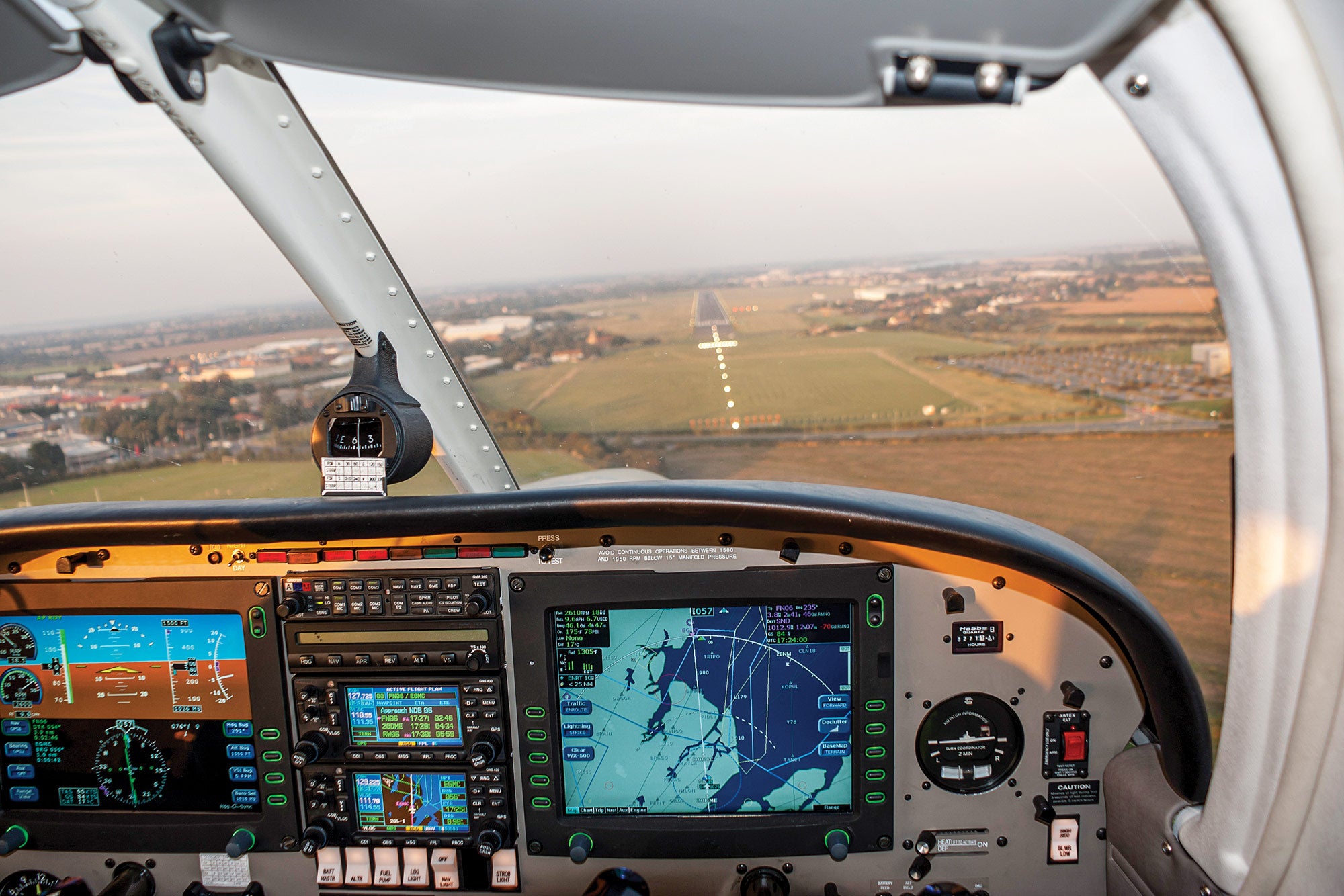
Single-pilot IFR is the hardest thing most people will ever do. If you’re a heart surgeon, you might disagree, but for almost everyone else, there’s nothing that compares. The combination of high stakes and an unrelenting workload makes for a unique challenge, and there’s no undo button.
Seven Habits for IFR Approaches

Key Takeaways:
- Single-pilot IFR demands meticulous pre-flight and in-flight preparation, including detailed approach briefings and a critical go/no-go decision point at the Final Approach Fix to ensure stability.
- Pilots should actively manage approaches through verbal callouts, adherence to specific aircraft performance profiles, proactive wind correction strategies, and a defined plan for technology use.
- Continuous practice of missed approaches is crucial to develop the muscle memory necessary for immediate and safe reactions in challenging instrument flying conditions.
Key takeaways sponsored by Aviator Pro | Start Your Training ->
See a mistake? Contact us.