
Back in the day, when FAA employees outnumbered amateur airplane builders, a government inspector would do a “pre-closure” inspection on every part of your homebuilt, then return for a pre-first-flight inspection and again every year thereafter. The quality of these inspectors varied. Some were skilled A&Ps who almost always found a discrepancy that you had overlooked or had some useful comment or suggestion to offer. Those you welcomed. A few, however, barely knew one end of an airplane from the other.
Tall Tales for Airplane Tails

Key Takeaways:
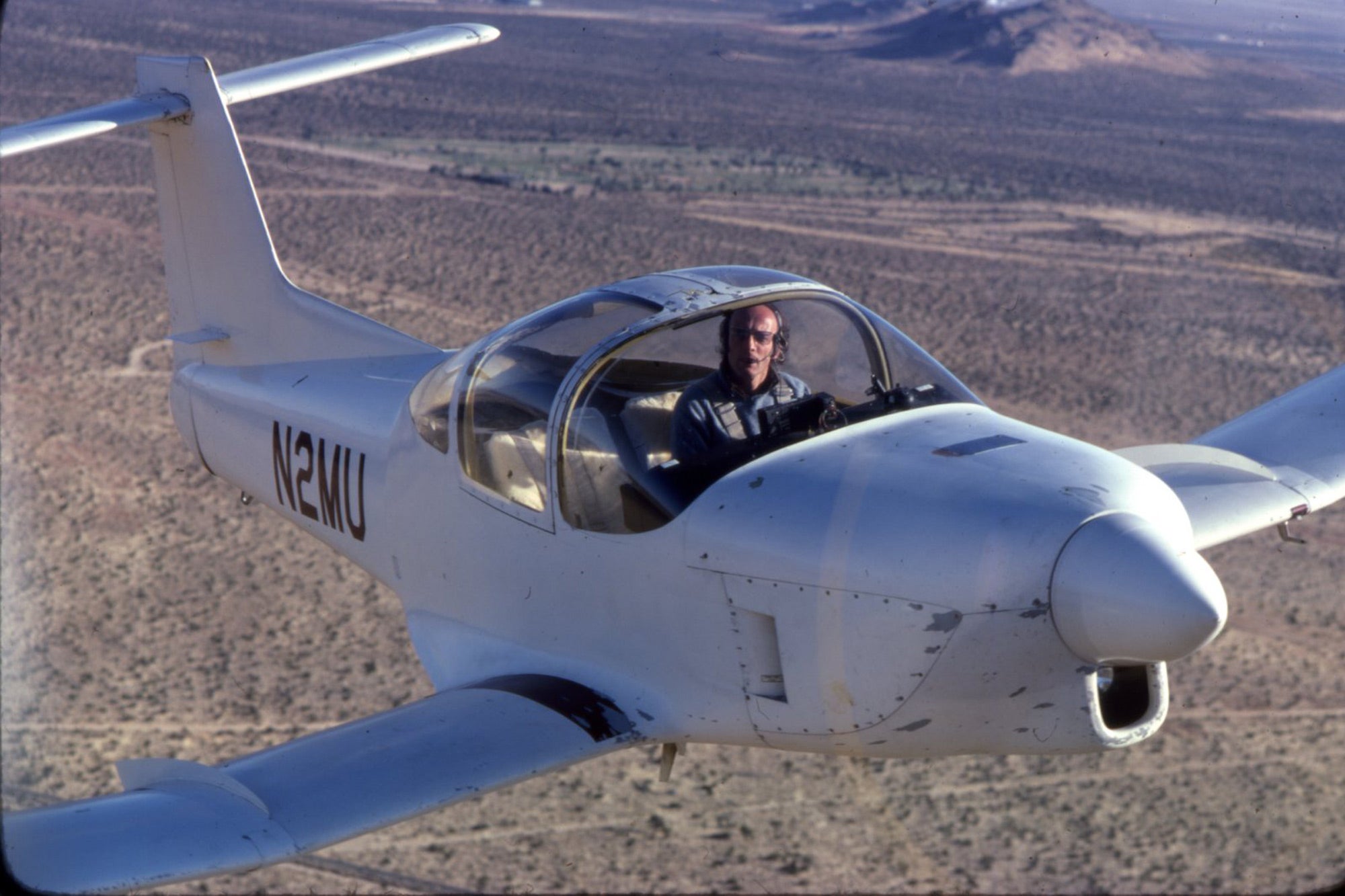
- The article describes the "stabilator" or all-flying tail, a one-piece horizontal tail surface that was fashionable in the 1970s due to its claimed aerodynamic efficiencies over conventional two-part horizontal tails.
- Despite theoretical advantages, stabilators presented significant challenges in practical application, including issues with flutter (e.g., Piper Comanche, Thorp T-18) and low-speed stalling during landing (e.g., Cessna Cardinal) often stemming from designers making them too small.
- The author's personal experience with his homebuilt *Melmoth* highlighted operational quirks like pitch oscillation in icing and control "hunting," and influenced Piper's temporary, though ultimately problematic, adoption of a T-tail stabilator on the Lance, underscoring the unpredictable nature of aircraft design.
Key takeaways sponsored by Aviator Pro | Start Your Training ->
See a mistake? Contact us.