














Register

Losing the Word “Lift”

Finding an alternative term for this imprecise aerodynamic one.

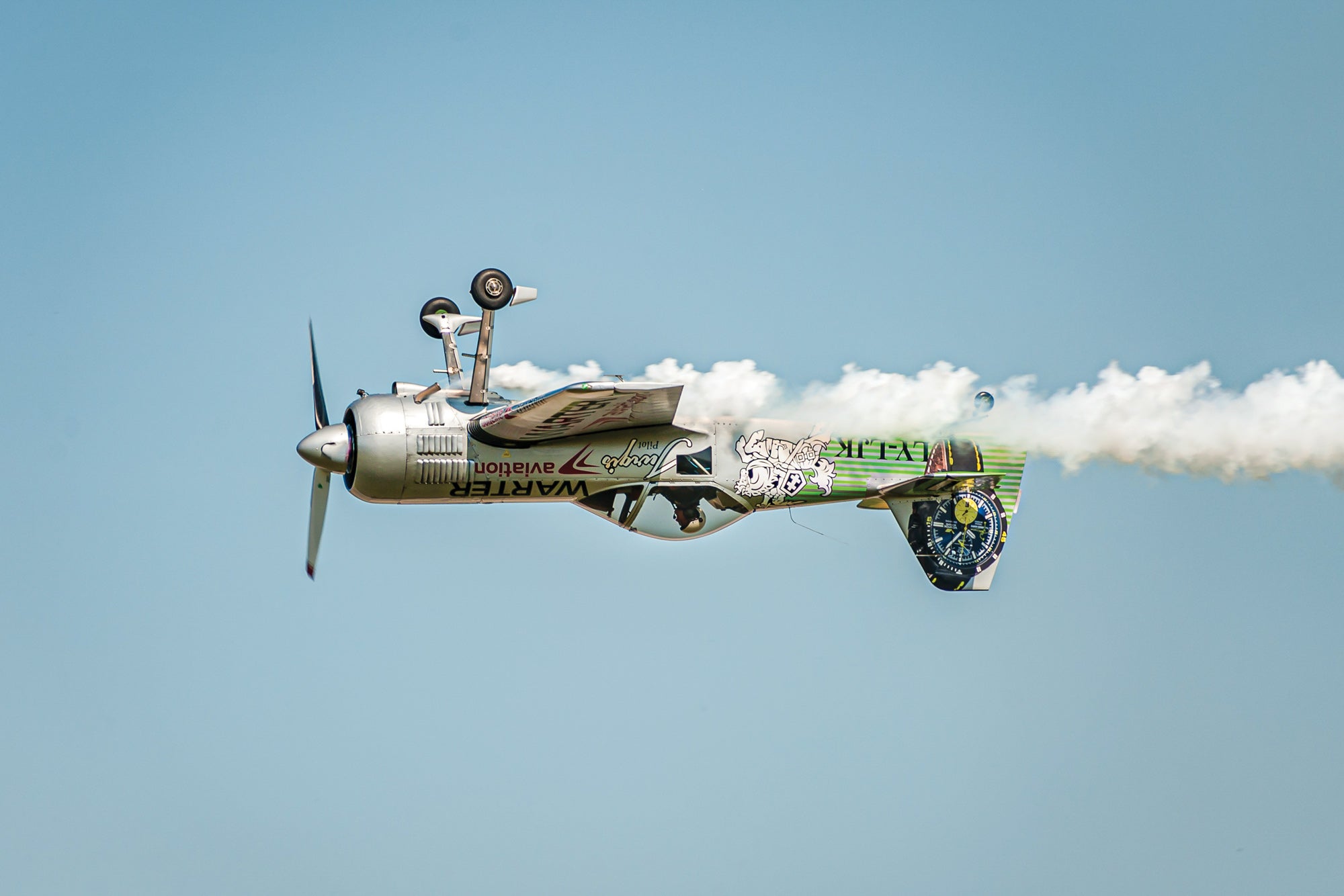
Whatever you call it, lift can act in any direction, depending upon your attitude. Regina M Art/Shutterstock
Gemini Sparkle

Key Takeaways:

  • Aviation terminology, particularly words like "lift" and "drag," evolved with varying connotations across languages and over time, influencing how these forces are mentally conceived.
  • The article argues that "lift" is a misleading term, as it's commonly mistaken as a purely vertical force opposing gravity, whereas it technically acts perpendicular to the flight path, leading to misunderstandings in complex flight dynamics.
See a mistake? Contact us.

Even in 1800, it was understood—by at least one person, a certain George Cayley—that two forces, weight and drag, were antagonistic to flight and that there must be two corresponding forces to overcome them. Today, we speak of thrust, drag, lift and weight, but—with the sole exception of weight—these forces did not then have agreed-upon names. By the time of the Wright brothers, what we know now as “drag” was being called “drift,” a term of such obvious ambiguity that the Wrights themselves dumped it in favor of drag.

Words have many facets. They possess both meanings—often more than one—and connotations, and they often suggest more or less than what they strictly mean. Those connotations can affect the way we think about flight.


Peter Garrison

Peter Garrison taught himself to use a slide rule and tin snips, built an airplane in his backyard, and flew it to Japan. He began contributing to FLYING in 1968, and he continues to share his columns, ""Technicalities"" and ""Aftermath,"" with FLYING readers.

Ready to Sell Your Aircraft?

List your airplane on AircraftForSale.com and reach qualified buyers.

List Your Aircraft
AircraftForSale Logo | FLYING Logo
Pilot in aircraft
Sign-up for newsletters & special offers!

Get the latest stories & special offers delivered directly to your inbox.

SUBSCRIBE
