











I bought my first airplane from the local Civil Air Patrol (CAP) squadron commander. I got a good deal, with one condition I thought was a privilege: I was to join the CAP and take part in their exercises and other duties. Soon enough, I was called out on an actual search and rescue mission. The previous day, four students at a local college left Buffalo, N.Y., flying south to near the Pennsylvania border where they were to drop leaflets on the rival college they were scheduled to play Saturday. The weather had been marginal with low 288
Pushy Pax?
I bought my first airplane from the local Civil Air Patrol (CAP) squadron commander. I got a good deal, with one condition I thought was a privilege: I was to join the CAP and take part in their exercises and other duties. Soon enough, I was called out on an actual search and rescue mission. The previous day, four students at a local college left Buffalo, N.Y., flying south to near the Pennsylvania border where they were to drop leaflets on the rival college they were scheduled to play Saturday. The weather had been marginal with low clouds and snow flurries down the valley connecting the campuses. The airplane never returned.
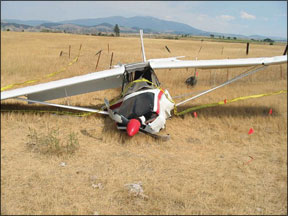

Key Takeaways:
- The article recounts a fatal student plane crash where the careful pilot likely succumbed to pressure from upperclassmen passengers to fly in marginal weather, resulting in no survivors.
- The author draws this conclusion from his own experiences as pilot-in-command, where he consistently overruled passengers who argued against diverting due to unfavorable weather.
- A personal incident where the author pushed weather limits while flying solo, leading to an emergency landing, reinforces the ultimate lesson: pilots must never compromise safety by exceeding weather minimums, especially under passenger influence.
Key takeaways sponsored by Aviator Pro | Start Your Training ->
See a mistake? Contact us.

