











In a recent ferry flight, I encountered a sudden and very irrational electrical and avionics failure as I entered IMC conditions. I was in a Cirrus SR22 with an Avidyne MFD, an Aspen PFD and a full set of steam gauges to boot. Within about one minute of entering the clouds for a descent, instruments 288
Wax On, Wax Off
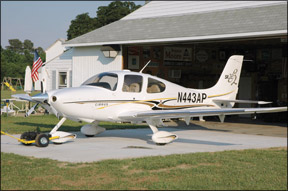
In a recent ferry flight, I encountered a sudden and very irrational electrical and avionics failure as I entered IMC conditions. I was in a Cirrus SR22 with an Avidyne MFD, an Aspen PFD and a full set of steam gauges to boot. Within about one minute of entering the clouds for a descent, instruments began to fail and then come back on. They often came back with confusing data. The twin Garmin 430s also failed and came back-and then failed again-and so it went for what seemed like hours.

Key Takeaways:
- A pilot experienced critical electrical and avionics failures in IMC conditions aboard a Cirrus SR22, attributed to unexplained static buildup.
- The root cause was discovered to be silicone-based paste wax applied to the composite aircraft's exterior.
- Silicone waxes on composite aircraft impede the structure's ability to dissipate static electricity through the skin, leading to instrument malfunctions.
- The key takeaway is to avoid silicone-based waxes on composite aircraft, as they block static discharge and can cause critical system failures.
Key takeaways sponsored by Aviator Pro | Start Your Training ->
See a mistake? Contact us.

