











A thick, black fog silenced every sound. It was the right weather for night air defense alert duty at then-West Germanys Bitburg Air Base in the 1970s. The weather was so bad I guessed the nearest alternate was somewhere in Africa. So, it was time to settle down for a night of popcorn and movies. After all, who in the Ramstein command post would be crazy enough to approve a scramble into this kind of weather? I dont remember the scramble until I woke up to a 25-degree deck angle as my F- 288
Green Light At Bitburg
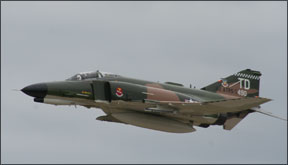
A thick, black fog silenced every sound. It was the right weather for night air defense alert duty at then-West Germanys Bitburg Air Base in the 1970s. The weather was so bad I guessed the nearest alternate was somewhere in Africa. So, it was time to settle down for a night of popcorn and movies. After all, who in the Ramstein command post would be crazy enough to approve a scramble into this kind of weather? I dont remember the scramble until I woke up to a 25-degree deck angle as my F-4E Phantom passed through 20,000 feet. Who was the idiot who did this to us? My focus was on the instruments and the intercept, but my thoughts were on fuel, alternates and getting home that night. There was just enough fuel for an approach at Bitburg and weather divert to Solingen. Bitburg was variable, reporting mile or less in the thickest, blackest fog I can remember. The GCA controller was steady, calm and professional-and it helped. We all were going to earn our beer money that night.

Key Takeaways:
- A pilot recounts a critical night scramble in an F-4E Phantom from Bitburg Air Base in the 1970s, navigating through extremely dense fog and relying solely on instruments.
- Despite near-zero visibility and low fuel, a calm GCA controller guided the aircraft through a perilous instrument approach.
- During the landing, the pilot instinctively steered towards a single faint green runway threshold light, resulting in a safe but off-center touchdown close to the runway's edge.
- The pilot later attributed this to the "moth effect," highlighting the importance of understanding human tendencies and psychological hazards for pilot awareness and flight safety.
Key takeaways sponsored by Aviator Pro | Start Your Training ->
See a mistake? Contact us.

