











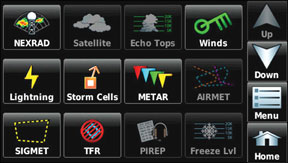
Those of us using a moving map with datalinked weather depiction-especially Nexrad radar-should be careful of relying on it too heavily. There are numerous stories of Nexrad not matching what the Mk. I, Mod. 1 eyeball displays. Heres mine. 288
Gadgetry 101
Those of us using a moving map with datalinked weather depiction-especially Nexrad radar-should be careful of relying on it too heavily. There are numerous stories of Nexrad not matching what the Mk. I, Mod. 1 eyeball displays. Heres mine. Last summer, my wife and I flew our 1976 Piper Arrow over to Great Harbor Cay Bahamas from Miami, Fla.s Tamiami Airport. We typically leave late morning to avoid afternoon thunderstorms. With our briefing, DVFR flightplan and Eapis paperwork taken care of, all we had to do was fly the route. Everything looked good from the weather standpoint, but in the summer things can and do change rapidly.

Key Takeaways:
- Datalinked weather systems, such as Nexrad radar, can be unreliable and should not be solely depended upon, as they may not reflect real-time conditions.
- The author experienced this firsthand when his in-cockpit Nexrad displayed clear skies due to a system outage, while an unexpected thunderstorm appeared directly ahead.
- Pilots must always cross-reference datalinked weather information with visual observations and other onboard instruments (like a Stormscope).
- The incident highlights the critical need for verifying weather data from multiple sources to maintain flight safety, especially in rapidly changing conditions.
Key takeaways sponsored by Aviator Pro | Start Your Training ->
See a mistake? Contact us.

