














Register

5 Ways eVTOL Avionics Will Change How Pilots Fly

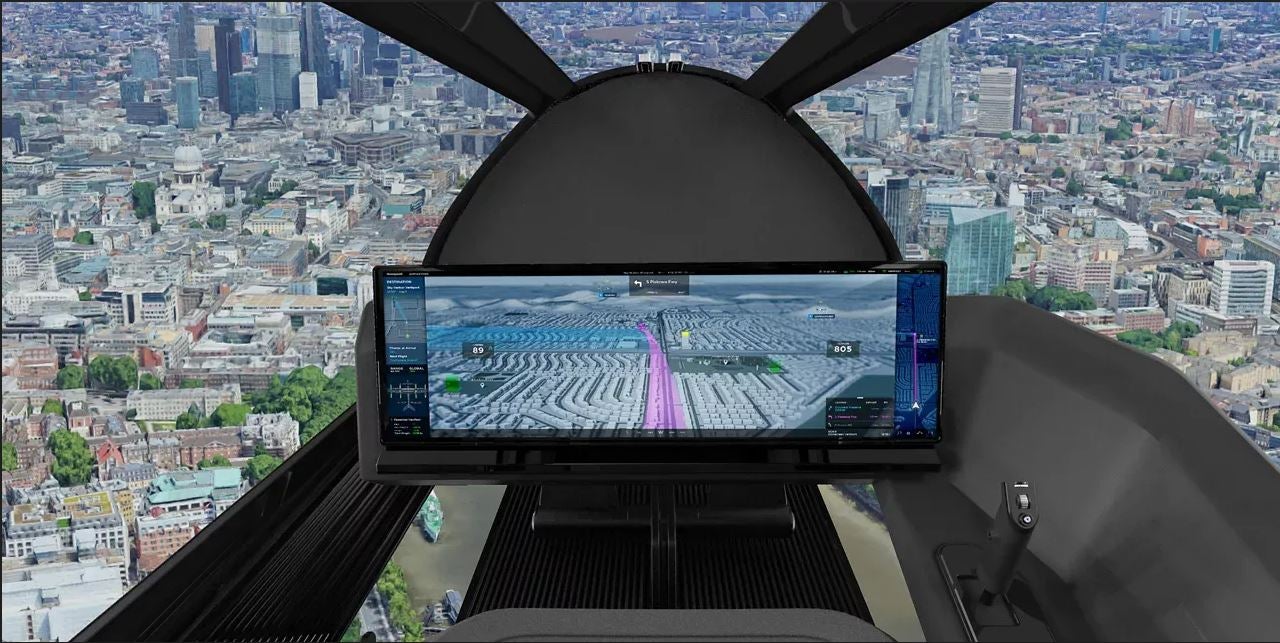
Honeywell is one of several OEMs working with eVTOL manufacturers to develop avionics systems. [Courtesy: Honeywell Aerospace]
Gemini Sparkle

Key Takeaways:

  • eVTOL avionics will prioritize intuitive, simplified operation, consolidating data and highlighting critical "limiting factors" to reduce pilot workload in complex urban airspaces.
  • New eVTOL-specific data, such as battery power and motor performance, will be central to flight decisions, complemented by extensive sensor arrays for comprehensive situational awareness.
  • Future eVTOL flight decks will integrate artificial intelligence (AI) for tasks like traffic detection and hazard avoidance, with a long-term goal of autonomous flight, and will maintain constant connectivity to ground networks.
See a mistake? Contact us.

Although the fledgling electric vertical takeoff and landing (eVTOL) industry faces a long path to aircraft certification and entering service, avionics giants are already defining the future of this new aviation sector. 

No pressure. They’re just taking on the challenge of merging electronics and visual displays—across flight controls, navigation, communication, fuel systems, and threat detection—for an entirely new form of air transportation. 

Thom Patterson

Thom is a former senior editor for FLYING. Previously, his freelance reporting appeared in aviation industry magazines. Thom also spent three decades as a TV and digital journalist at CNN’s bureaus in Washington and Atlanta, eventually specializing in aviation. He has reported from air shows in Oshkosh, Farnborough and Paris. Follow Thom on Twitter @thompatterson.

Ready to Sell Your Aircraft?

List your airplane on AircraftForSale.com and reach qualified buyers.

List Your Aircraft
AircraftForSale Logo | FLYING Logo
Pilot in aircraft
Sign-up for newsletters & special offers!

Get the latest stories & special offers delivered directly to your inbox.

SUBSCRIBE

