











Although my airplane doesnt have a turbocharger, I regularly cruise at altitudes where supplemental oxygen is either required or strongly advised. My personal rule is to use it when above 10,000 feet msl for longer than an hour, or anytime at or above 12,500 feet. Thats during the day; at night, I use it when cruising above 8000 feet. 288
A Tank Too Far
Although my airplane doesnt have a turbocharger, I regularly cruise at altitudes where supplemental oxygen is either required or strongly advised. My personal rule is to use it when above 10,000 feet msl for longer than an hour, or anytime at or above 12,500 feet. Thats during the day; at night, I use it when cruising above 8000 feet. But for the solo flight in question, I planned to be at or below my oxygen altitudes. Although I had a full bottle aboard the airplane, it was buried in the baggage area, under all the gear I needed for my two-week business trip.
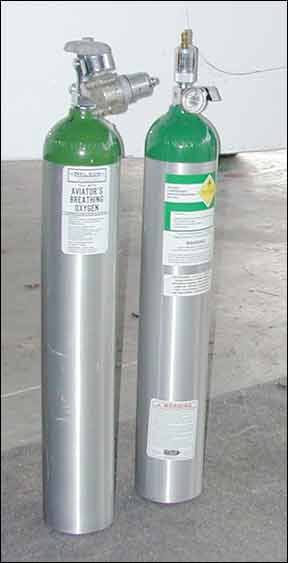

Key Takeaways:
- A pilot on a solo flight unexpectedly had to cruise at 13,500 feet, necessitating supplemental oxygen.
- Despite having an oxygen bottle on board, it was buried under luggage and inaccessible from the pilot's seat.
- The pilot had to unbuckle and navigate to the baggage area mid-flight to retrieve the oxygen, a difficult and potentially risky maneuver.
- This incident taught the pilot to always keep all essential flight equipment readily accessible from the cockpit.
Key takeaways sponsored by Aviator Pro | Start Your Training ->
See a mistake? Contact us.

