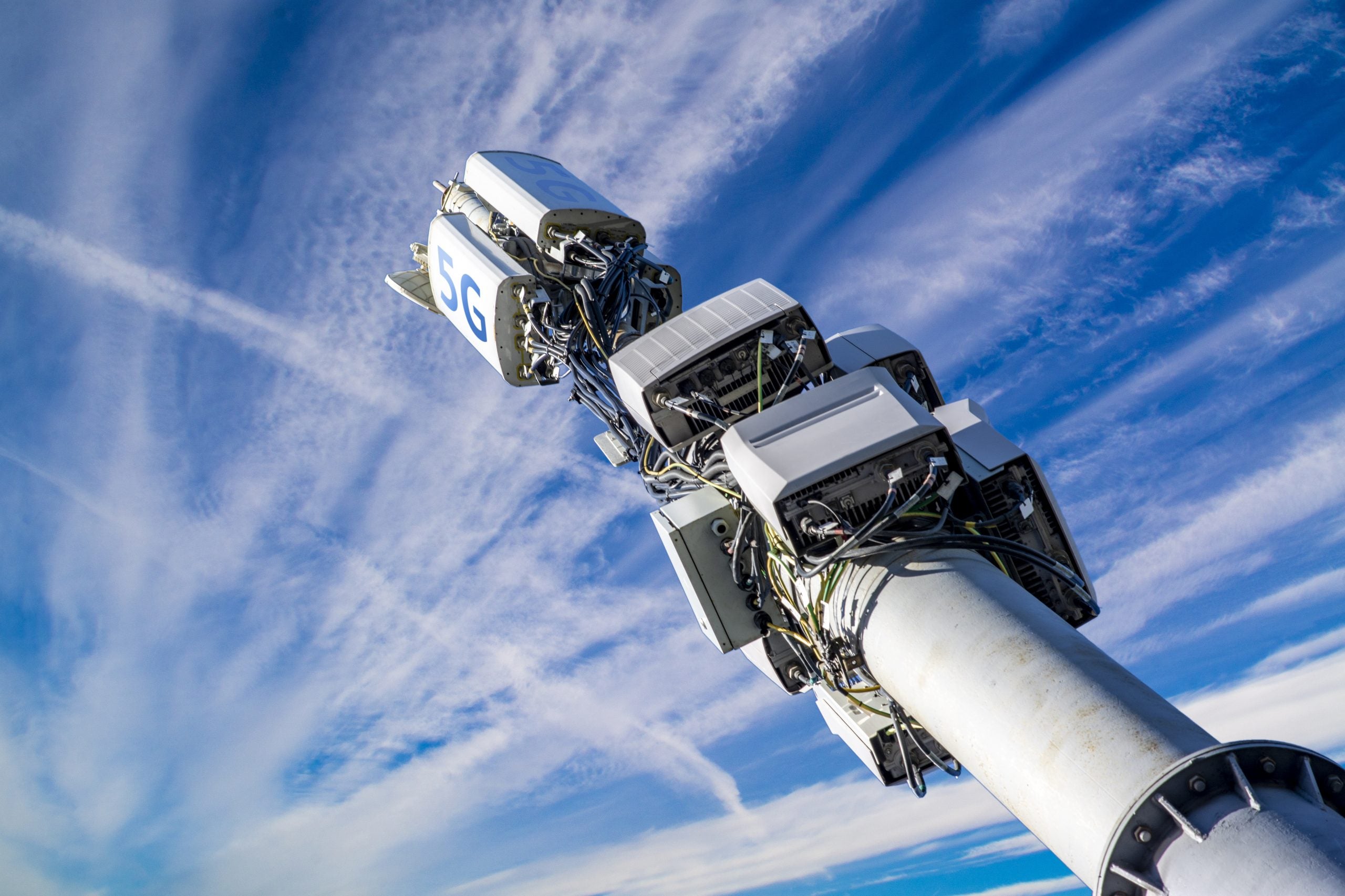
Those in and around aviation were well aware of the dangers of the 5G issue. Credit: Adobe Stock
Key Takeaways:
The aviation industry is experiencing strong demand for connectivity, driving the 5G aviation market to an expected value of over $4 billion by 2026.
In-flight connectivity primarily utilizes Air-to-Ground (ATG) and more advanced satellite systems, with operators in business aviation often opting for both to ensure continuous service.
Beyond in-flight internet, 5G adoption in aviation is also driven by applications such as enhancing airport operations, supporting advanced air mobility (e.g., eVTOLs and drones), and enabling real-time data for aircraft maintenance and manufacturing, despite ongoing regulatory challenges.
Aside from fuel costs and hangar fees, that’s the question jet owners are asking as they take delivery of their new equipment. Indeed, while industry leaders and wireless companies are at an impasse about the rollout of 5G, a report by Research and Markets predicts that the 5G in aviation market cap could grow to more than $4 billion by 2026.
CREATE A FREE ACCOUNT
Sign up to keep reading
Create a free account to continue. Already a member? Sign in below.
Michael Wildes holds a master’s degree in Logistics & Supply Chain Management, and a bachelor’s degree in Aeronautical Science, both from Embry-Riddle Aeronautical University. Previously, he worked at the university’s flight department as a Flight Check Airman, Assistant Training Manager, and Quality Assurance Mentor. He holds MEI, CFI & CFII ratings. Follow Michael on Twitter @Captainwildes.