











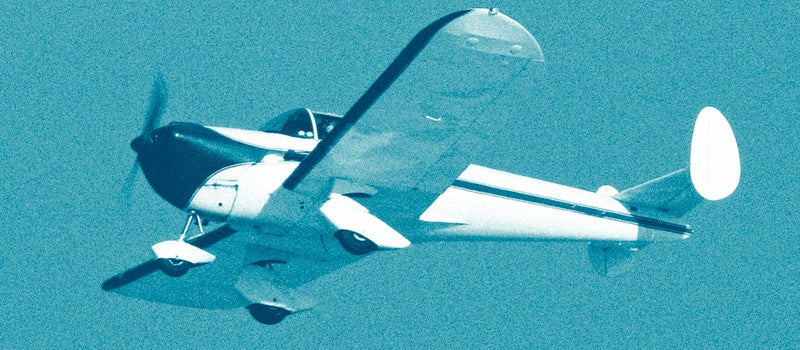


My flying has recently come full circle. My first flight was in a Piper J-3 Cub back in the 1950s. I worked line service as a teenager in the 1960s to pay for my flying lessons, and in the early 1970s I earned my fixed-wing single-engine and glider commercial and instructor ratings so I could work as a flight instructor and tow gliders in L-19s. Over the next 10 years I accumulated several thousand hours as an instructor and charter pilot. Securing my ATP in 1979 led to the next jump in my experience — flying as a copilot in the Metroliner for a commuter airline in Tucson, Arizona. That in turn led to a job as an international corporate pilot, adding experience in the Piper Seneca, Beech Baron, Cessna 320 and 414, Navajo Chieftain and P-Navajo.
My aviation experience made a huge jump in 1982, when I was hired by FlightSafety in Tucson as a Learjet 35 simulator instructor and later became the Learjet 55 initial ground school and simulator instructor. Then, in 1983 while instructing at SimuFlite in Dallas, I earned my Learjet type rating flying a Learjet 55, followed by a type rating in the Westwind several years later. When I became the manager of military instructor training for CAE-Link in the late 1980s, my time in the cockpit, whether simulated or real, decreased greatly. My logbook shows just a few hours each year with large gaps until I purchased a Turbo Twin Comanche in 1999 to use for my business travel. I flew that airplane 500 hours over the next four years as I traveled around the country presenting my Preventing Human Error Seminar.

