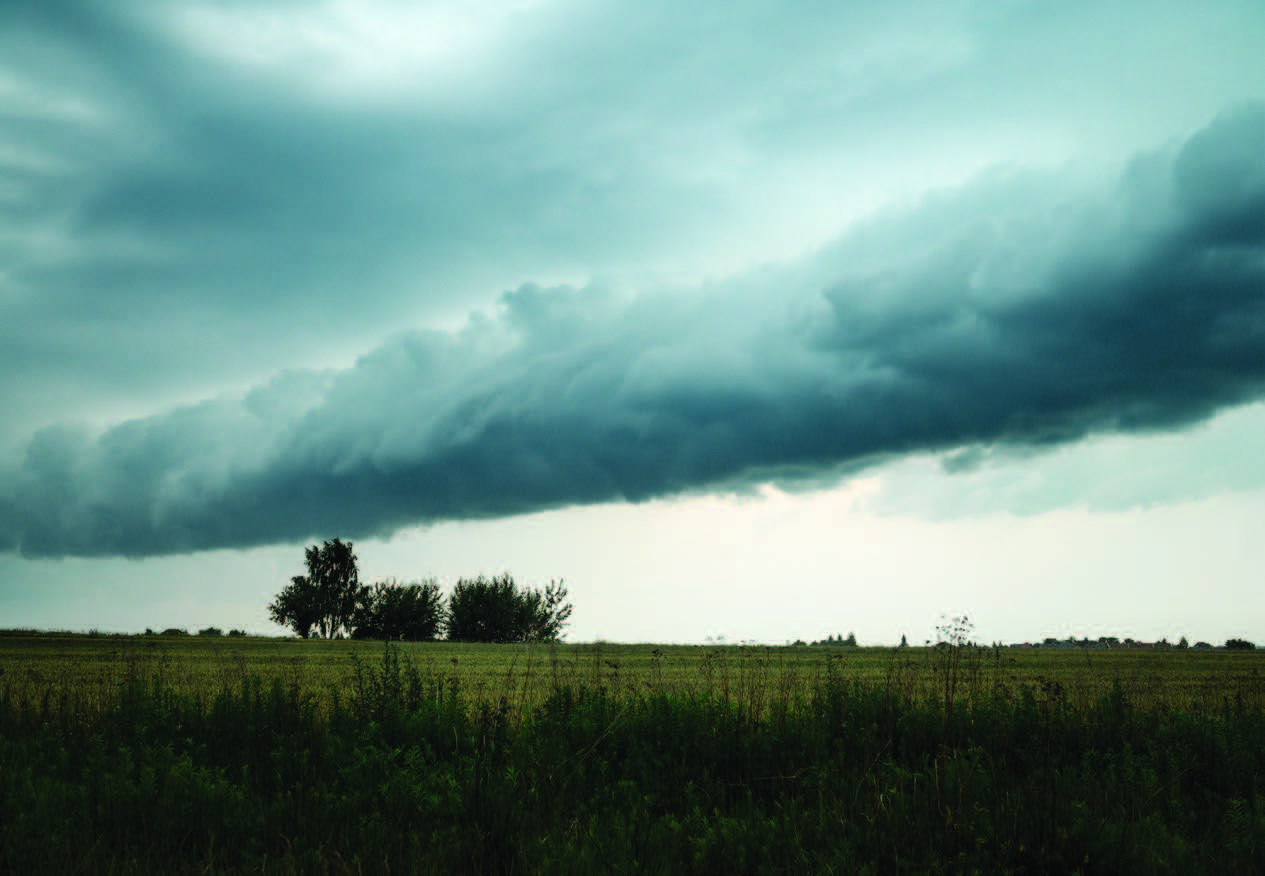
Sometimes the most critical lessons for pilots come from understanding what actions to avoid. [Credit: Aviation Safety Magazine]
Key Takeaways:
Do not underestimate any thunderstorm; treat all as hazardous and avoid penetration, recognizing that even seemingly weak storms and virga can produce dangerous microbursts.
Always verify radar imagery's product time and cross-reference with multiple sources, understanding the limitations of mosaic views, base reflectivity, and the radar's "cone of silence."
Do not solely rely on single-source METARs or TAFs; instead, consult surface charts, compare forecasts from nearby airfields, and utilize comprehensive satellite and model data for a complete and accurate weather picture.
Pilots know well the emphasis on checklists, procedures, and best practices. These are things that deliver positive results to keep us working safely and efficiently.
But sometimes the most critical lessons come from understanding what actions to avoid. In aviation, a single poor decision can cascade into a dangerous situation with great speed.
CREATE A FREE ACCOUNT
Sign up to keep reading
Create a free account to continue. Already a member? Sign in below.
Tim Vasquez, a former Air Force aviation forecaster and forecast systems programmer at Air Force Global Weather Central, is a contributor to IFR Magazine.