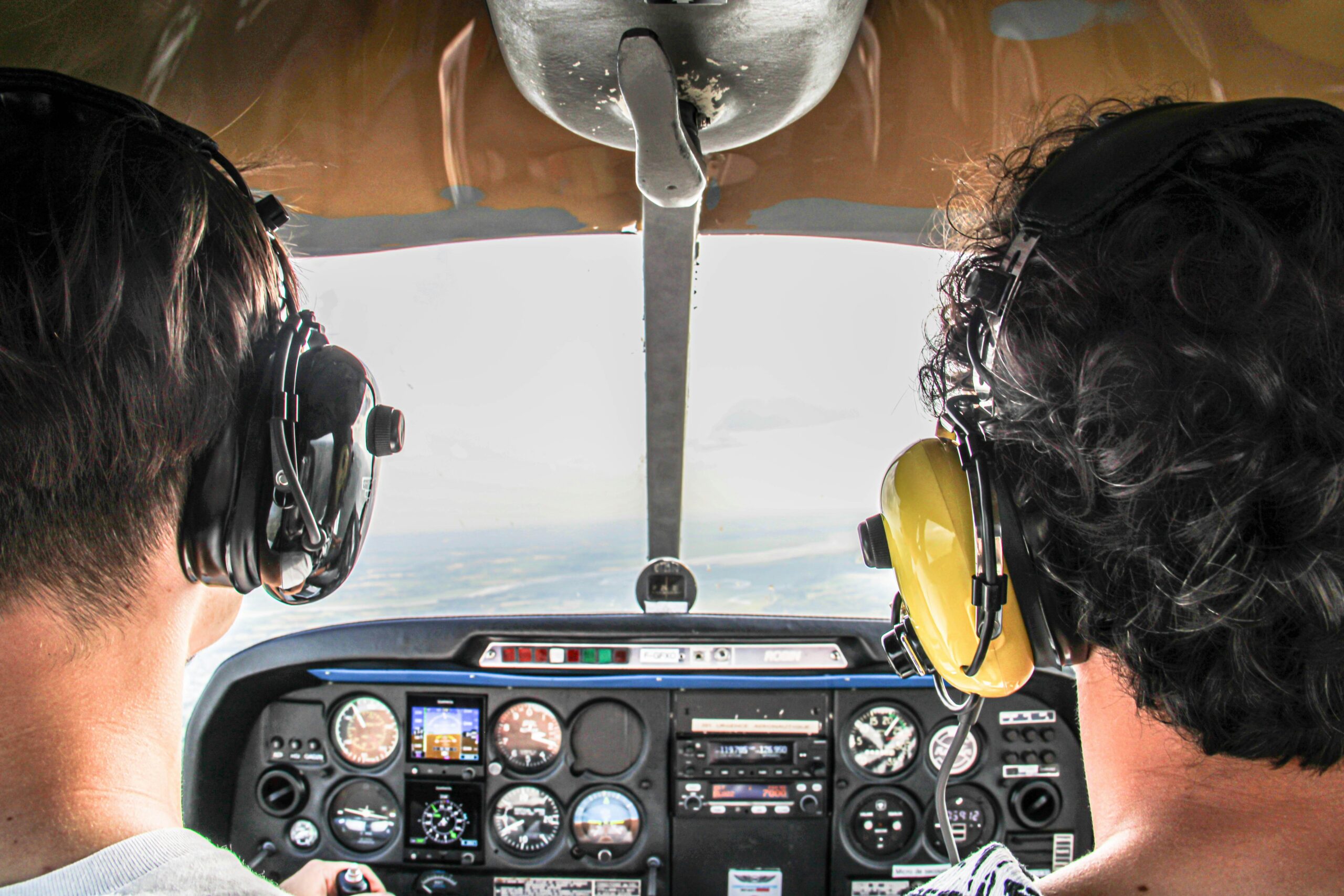
While the financial investment is significant, becoming a professional pilot opens the door to a rewarding career in the skies. [Credit: Unsplash]
Key Takeaways:
The path to becoming a professional pilot is a unique, multi-stage journey requiring a progression of certifications, starting from a Student Pilot Certificate and advancing through Private Pilot, Instrument Rating, Commercial Pilot, and ultimately the Airline Transport Pilot (ATP) certificate.
Aspiring pilots can choose between two primary FAA-regulated training curricula: Part 61 offers flexibility and can be more affordable but generally takes longer, while Part 141 provides a structured, faster, but typically more expensive pathway.
Becoming a professional pilot demands significant time and financial investment, with costs ranging from $30,000 to over $120,000 and total flight hours reaching up to 1,500 for the ATP, all driven by a forecast need for 300,000 new pilots globally in the next decade.
As is the case with most careers, the pathway to becoming a professional pilot is a unique one.
From the most experienced pilots captaining major airlines across the globe to recreational pilots enjoying weekend trips with their families, each person follows their own individual journey to the sky.
CREATE A FREE ACCOUNT
Sign up to keep reading
Create a free account to continue. Already a member? Sign in below.