











The article “Slow Down, You Move Too Fast” (January 2011) was enlightening. While Mr. Gibbs statements are logical, it would be helpful to have a reference describing this in more detail. Would you please provide a reference that explains the aerodynamic theory or aircraft certification process that substantiates Mr. Gibbs explanation? Although I find Aviation Safety very useful, I cannot use it as a 288
Never Exceed Speed
The article "Slow Down, You Move Too Fast" (January 2011) was enlightening. While Mr. Gibbs statements are logical, it would be helpful to have a reference describing this in more detail. Would you please provide a reference that explains the aerodynamic theory or aircraft certification process that substantiates Mr. Gibbs explanation? Although I find Aviation Safety very useful, I cannot use it as a sole reference when providing instruction.
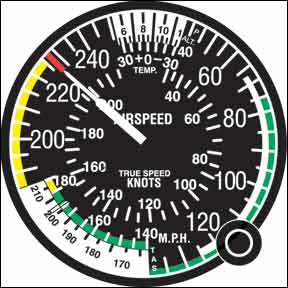

Key Takeaways:
- Readers challenged an article's controversial claim that VNE (Never Exceed Speed) is True Airspeed (TAS), not Indicated Airspeed (IAS), citing widespread use of IAS in official documentation and training.
- The magazine acknowledged that VNE is typically published as IAS for simplicity, but stressed that TAS considerations become crucial at high altitudes and speeds to prevent aerodynamic flutter in thinner air.
- They concluded that pilots flying high and fast should consider the TAS implications and prioritize the safer VNE value, noting the original article's goal was to stimulate critical thinking about flight safety.
Key takeaways sponsored by Aviator Pro | Start Your Training ->
See a mistake? Contact us.

